Linen Viscose Fabric: The Complete Buyer's Guide
Everything fashion brands, garment manufacturers, and fabric buyers need to know about linen viscose blend fabric — from fiber science and technical specifications to pricing, sourcing strategies, and why Keqiao, China has become the global hub for this versatile textile.
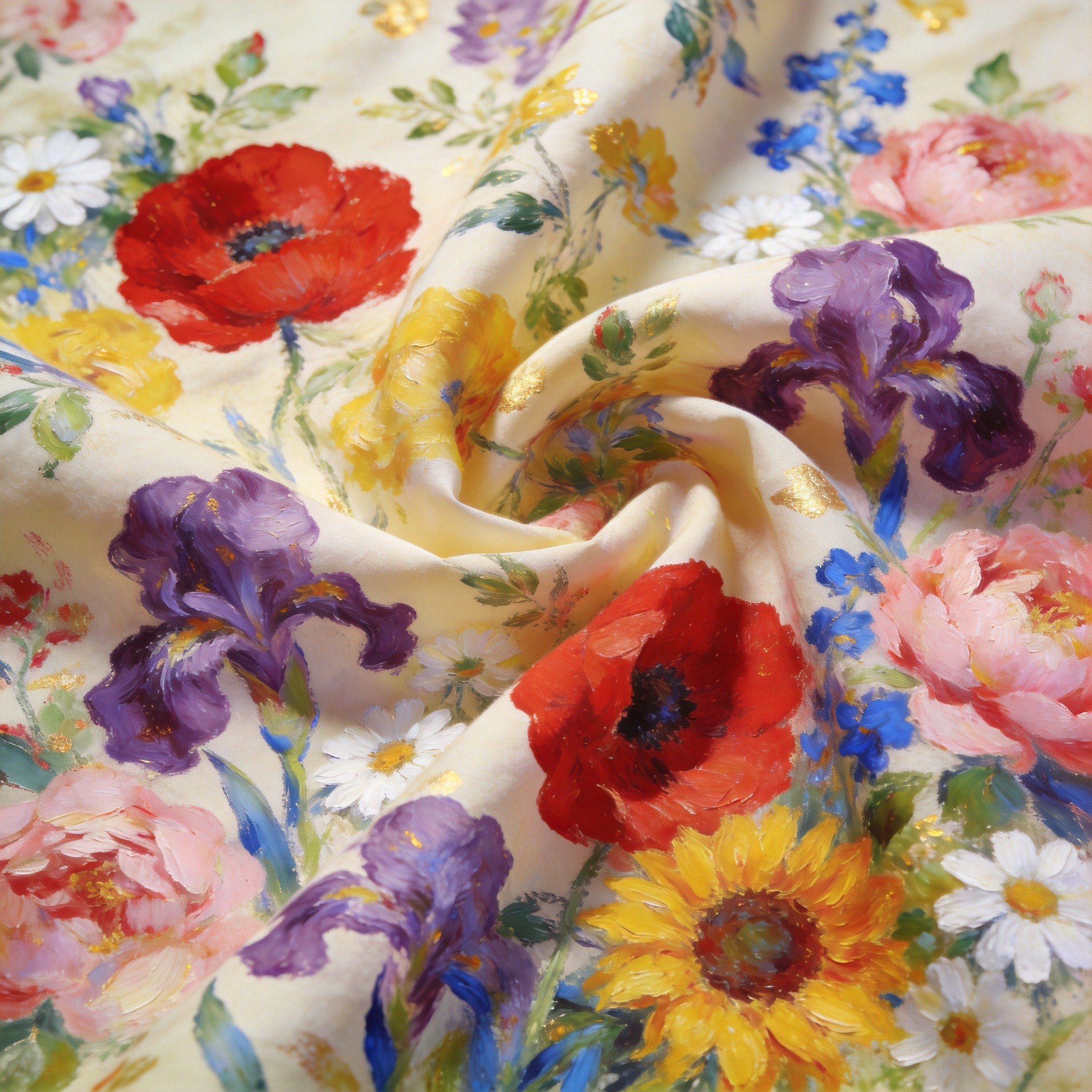
What Is Linen Viscose Fabric?
Linen viscose fabric (also called linen rayon blend or 麻粘面料 in Chinese) is a blended textile that combines natural flax linen fibers with semi-synthetic viscose (rayon) fibers. The most common ratio is 55% linen and 45% viscose, though other proportions exist depending on the desired hand-feel and performance characteristics.
This blend was developed to solve the inherent trade-offs of pure linen. While linen is prized for its breathability, natural luster, and cool touch, it is also notorious for stiffness, excessive wrinkling, and relatively high cost. Viscose — derived from regenerated cellulose (typically wood pulp) — brings softness, excellent drape, vibrant dye uptake, and a silky smoothness that pure linen cannot achieve on its own.
The Science Behind the Blend
| Property | Linen (Flax Fiber) | Viscose (Rayon) | Linen-Viscose 55/45 |
|---|---|---|---|
| Fiber Origin | Natural (bast fiber) | Semi-synthetic (cellulose) | Blend of both |
| Tenacity (cN/dtex) | 5.5–7.5 | 2.2–3.0 | 3.8–5.2 |
| Moisture Regain | 10–12% | 13–15% | 11–13% |
| Drape Coefficient | High (stiff) | Low (flowing) | Moderate (balanced) |
| Wrinkle Recovery | Poor | Moderate | Fair to Good |
| Hand Feel | Crisp, textured | Soft, silky | Soft with linen texture |
| Thermal Conductivity | High (cooling) | Moderate | Good cooling |
The result is a fabric that breathes like linen but feels like silk — ideal for warm-weather fashion where comfort, aesthetics, and drape all matter. The linen fibers provide the characteristic slub texture and natural cooling, while viscose fibers soften the hand-feel, reduce wrinkling, and allow for richer, more uniform coloration.
How It's Made
The production process involves several stages:
- Fiber preparation: Flax fibers are harvested, retted, and spun into linen yarn. Wood pulp is processed through the viscose method (xanthation, dissolving, extruding) into viscose fibers.
- Blending: The two fiber types are intimately blended at the carding stage in a 55/45 ratio, ensuring uniform distribution throughout the yarn.
- Spinning: The blended fibers are spun into yarn — typically ring-spun for a smoother, stronger result. Common counts for apparel are Nm 30/1 to Nm 50/1.
- Weaving: The yarn is woven on shuttleless looms (rapier or air-jet) at standard densities. Plain weave is most common for linen viscose.
- Finishing: The greige fabric undergoes scouring, bleaching, mercerizing (optional), dyeing or printing, and final mechanical finishing (calendering, compaction, or peach-skin treatment).
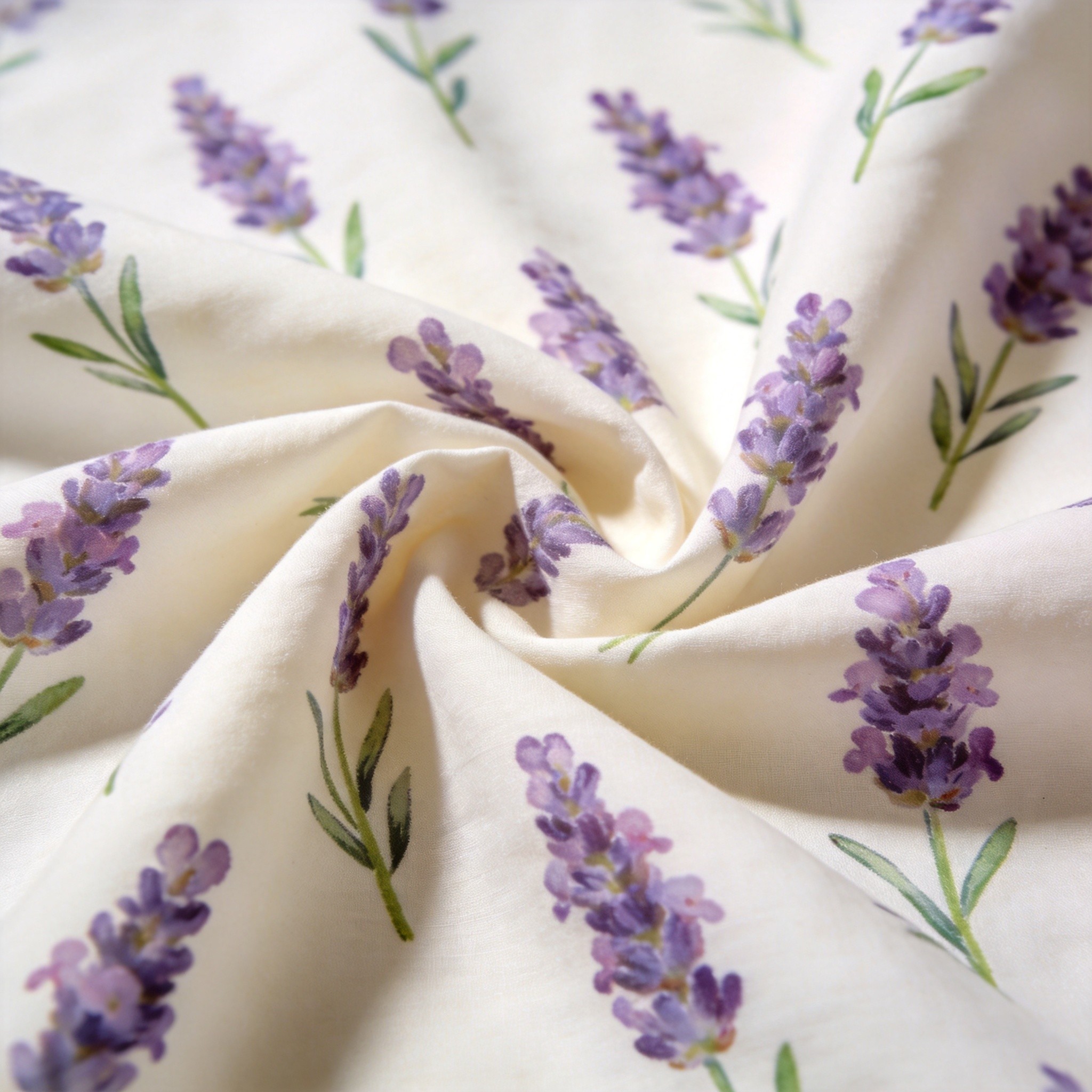
Linen vs Viscose vs Linen-Viscose Blend: A Detailed Comparison
Choosing between pure linen, pure viscose, and a linen-viscose blend depends on your target market, price point, garment type, and brand positioning.
| Criteria | 100% Linen | 100% Viscose | Linen-Viscose Blend (55/45) |
|---|---|---|---|
| Breathability | ★★★★★ Excellent | ★★★☆☆ Good | ★★★★☆ Very Good |
| Softness | ★★☆☆☆ Crisp | ★★★★★ Silky | ★★★★☆ Soft |
| Drape | ★★☆☆☆ Structured | ★★★★★ Fluid | ★★★★☆ Good drape |
| Wrinkle Resistance | ★☆☆☆☆ Poor | ★★★☆☆ Moderate | ★★★☆☆ Fair |
| Color Vibrancy | ★★★☆☆ Muted | ★★★★★ Vivid | ★★★★☆ Rich |
| Durability | ★★★★★ Very strong | ★★★☆☆ Moderate | ★★★★☆ Good |
| Price (FOB China) | $8–15/m | $3–6/m | $5–9/m |
| Best For | Premium, heritage brands | Flowy, affordable fashion | Mid-premium spring/summer |
When to Choose the Blend Over Pure Linen
- Cost-sensitive collections: The blend costs 30–50% less than pure linen at equivalent quality levels.
- Color-intensive programs: Viscose absorbs reactive dyes more readily, producing deeper, more saturated colors — critical for brands with 50+ SKU color programs.
- Comfort-first garments: Blouses, dresses, and resort wear that contact the skin directly benefit from viscose's silkier hand-feel.
- Reduced wrinkling: The blend wrinkles noticeably less than pure linen, reducing consumer complaints and returns.
- Better drape for silhouettes: Flowing dresses, wide-leg pants, and draped tops perform better with the added weight and fluidity of viscose.
When Pure Linen Is Still the Right Call
For luxury heritage brands that market "100% linen" as a premium label, or for heavy-duty applications like tablecloths and napkins where the crisp texture is part of the aesthetic, pure linen remains the correct choice. The blend sacrifices some of that structured linen character for comfort and drape.
Key Technical Specifications: MJ8015 Linen Viscose Series
The following specifications represent the industry-standard linen viscose blend offered by Mujia Textile under the MJ8015 series. These parameters are tested per international textile standards (ISO, AATCC, GB/T).
| Parameter | Specification | Test Method |
|---|---|---|
| Composition | 55% Linen / 45% Viscose | ISO 1833 |
| Weight (GSM) | 140–160 g/m² | ISO 3801 |
| Width | 140 cm (55/56") | ISO 3801 |
| Yarn Count | Nm 30/1 × 30/1 (warp × weft) | ISO 2060 |
| Density | 58 × 52 ends/picks per 10cm | ISO 7211 |
| Shrinkage (Warp) | ≤ 5% | ISO 3759 |
| Shrinkage (Weft) | ≤ 4% | ISO 3759 |
| Color Fastness to Washing | Grade 3–4 | ISO 105-C06 |
| Color Fastness to Rubbing (Dry) | Grade 3–4 | ISO 105-X12 |
| Color Fastness to Rubbing (Wet) | Grade 3 | ISO 105-X12 |
| Color Fastness to Light | Grade 4 | ISO 105-B02 |
| Tear Strength (Warp) | ≥ 25N | ISO 13937-2 |
| pH of Water Extract | 6.5–7.5 | ISO 3071 |
| Formaldehyde Content | ≤ 75 mg/kg (OEKO-TEX Class II) | ISO 14184 |
📋 Note on Custom Specifications
Mujia Textile can adjust GSM (120–200), width (up to 280cm for double-width), and composition ratio (e.g., 70/30 or 40/60) based on order volume. Contact us with your technical requirements for custom development.
Understanding the Key Numbers
GSM (Grams per Square Meter): At 140–160 GSM, this fabric sits in the lightweight-to-medium category. For reference, a standard cotton t-shirt is around 150–180 GSM, while heavy denim is 300+ GSM. This weight range is ideal for garments that need to be breathable without being sheer.
Shrinkage: The 3–5% shrinkage rate is typical for natural fiber blends. We recommend garment makers account for this in pattern grading, or pre-wash fabric before cutting. After the first wash, the fabric stabilizes and subsequent shrinkage is negligible.
Color Fastness: Grade 3–4 on the ISO grey scale means the color holds well through washing and wear. Grade 4 for light fastness means the fabric resists fading when exposed to sunlight — important for garments that will see outdoor use in summer.
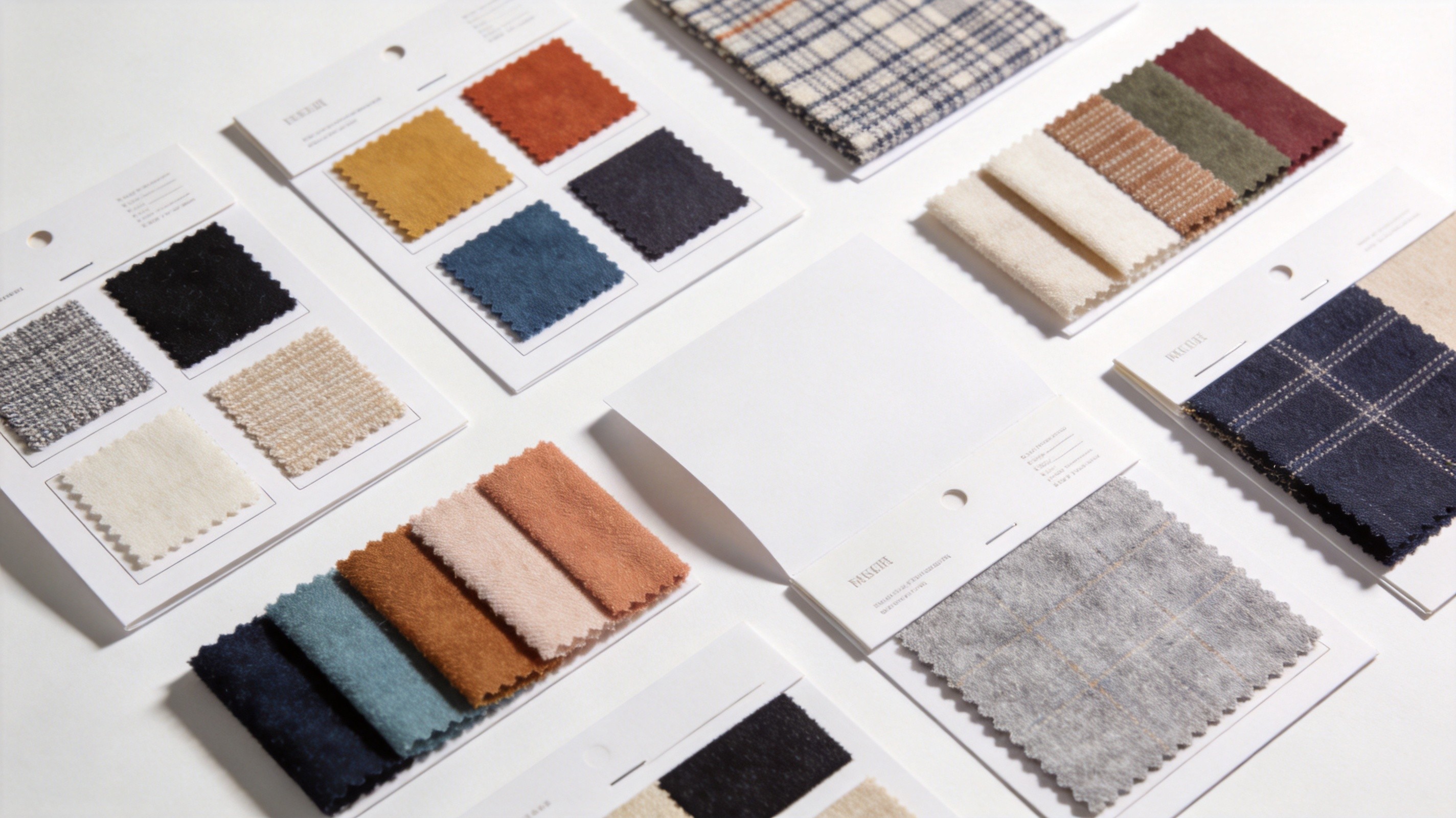
211 Stock Colors & 10-Day Delivery: The MJ8015 Advantage
One of the most significant competitive advantages of the MJ8015 series is the 211-color stock program — the largest in-stock color range for linen viscose fabric available from any single supplier in Keqiao, China.
What This Means for Your Business
| Traditional Sourcing | MJ8015 Stock Program |
|---|---|
| 45–60 day lead time for dye-to-match | 10 days from order to shipment |
| MOQ 1,000–3,000m per color | MOQ from 1 roll (~50–100m) |
| Lab dip sampling 7–14 days | Select from physical color cards in stock |
| Risk of color lot variation | Consistent stock lots, reorder anytime |
| High minimum commitment | Test small quantities, scale up freely |
Color Range Breakdown
Our 211 stock colors span the full spectrum, organized into curated families:
- Neutrals & Basics (42 colors): White, ivory, cream, ecru, oatmeal, sand, taupe, camel, brown, black, and more.
- Pastels (38 colors): Baby blue, blush pink, mint, lavender, pale yellow, soft peach, powder grey — perfect for spring collections.
- Earth Tones (35 colors): Terracotta, olive, rust, sage green, mustard, ochre, sienna — aligned with sustainability-driven palettes.
- Brights & Jewel Tones (45 colors): Cobalt, emerald, fuchsia, coral, tangerine, royal purple — for statement pieces and resort wear.
- Darks & Muted (30 colors): Navy, charcoal, burgundy, forest green, dark plum, espresso.
- Seasonal & Trend Colors (21 colors): Updated each season to align with Pantone and WGSN trend forecasts.
🎨 Color Card Available
Request a free physical color card with fabric swatches for all 211 MJ8015 colors. Contact us with your shipping address, and we will dispatch it within 3 business days via DHL.
Applications & End Uses
Linen viscose fabric at 140–160 GSM occupies a sweet spot in fashion manufacturing. It is substantial enough for structured garments yet light enough for flowing silhouettes.
Women's Spring/Summer Fashion
- Blouses & Shirts: The blend's soft hand-feel and moderate drape make it ideal for button-front blouses, peasant tops, and oversized shirts. The linen texture adds visual interest that pure viscose cannot achieve.
- Dresses: From A-line summer dresses to wrap dresses and shirt dresses, linen viscose provides the structure and breathability needed for warm-weather wear while maintaining an elegant drape.
- Wide-Leg Pants & Jumpsuits: The fabric's weight gives wide-leg silhouettes enough body to hang properly without being overly heavy.
- Skirts: Wrap skirts, pleated midi skirts, and tiered maxi skirts all benefit from the blend's combination of drape and texture.
Resort & Vacation Wear
The resort wear segment is one of the fastest-growing applications for linen viscose fabric. The natural linen texture communicates "effortless luxury," while the viscose component ensures comfort in tropical climates. Key resort categories include:
- Beach cover-ups and sarongs
- Resort-style maxi dresses
- Linen-look shirts (men's and women's)
- Relaxed-fit vacation separates
- Kimono-style jackets and dusters
Other Applications
| Category | Specific Products | Why Linen Viscose Works |
|---|---|---|
| Men's Casual | Casual shirts, summer suits, shorts | Breathable, less wrinkly than pure linen, affordable |
| Children's Wear | Summer dresses, tops, shorts | Soft against sensitive skin, durable for active play |
| Uniforms | Restaurant staff, hotel hospitality, spa | Professional look, comfortable for long shifts |
| Home Textiles | Curtain panels, cushion covers, table runners | Natural aesthetic, good drape for soft furnishings |
| Scarves & Wraps | Lightweight scarves, shawls, stoles | Lightweight yet structured enough for tying |
Pricing & MOQ Guide
Pricing for linen viscose fabric depends on order volume, color selection, and whether you are buying from stock or requesting custom production. Below is a general pricing guide based on current market conditions (2025):
| Order Type | MOQ | Price Range (FOB Ningbo/Shanghai) | Lead Time |
|---|---|---|---|
| Stock Colors (MJ8015) | 1 roll (~50–100m) | $5.50–7.50/meter | 7–10 days |
| Small Batch (Stock + Custom) | 300–500 meters | $5.00–6.80/meter | 15–20 days |
| Custom Dye (Dye-to-Match) | 1,000m per color | $4.50–6.00/meter | 25–35 days |
| Bulk Production | 3,000m+ per color | $4.00–5.50/meter | 30–45 days |
| OEM/Custom Spec Development | 2,000m per specification | $5.00–8.00/meter | 40–50 days |
💡 Price Factors to Consider
- Linen fiber price volatility: Flax fiber prices fluctuate based on European harvest conditions. Lock in pricing early for large programs.
- Color complexity: Deep, saturated colors (navy, black, burgundy) may carry a 5–10% surcharge due to higher dye consumption.
- Finishing requirements: Additional finishes (peach skin, enzyme wash, anti-wrinkle treatment) add $0.30–0.80/meter.
- Certification premiums: OEKO-TEX, GOTS, or BCI certification adds 5–15% to base pricing.
Care Instructions & Quality Testing
Proper care guidance is essential for maintaining the quality and appearance of linen viscose garments.
Washing & Drying
| Care Step | Recommendation | Avoid |
|---|---|---|
| Water Temperature | Cold (30°C / 86°F max) | Hot water (>40°C causes shrinkage) |
| Wash Cycle | Gentle / Delicate cycle | Heavy-duty or long cycles |
| Detergent | Mild, pH-neutral detergent | Bleach, enzyme-heavy detergents |
| Drying | Hang dry or lay flat | High-heat tumble dry |
| Ironing | Medium heat (150°C), inside out, slightly damp | High heat, dry ironing |
| Dry Cleaning | Acceptable (perchloroethylene) | — |
Quality Testing Standards
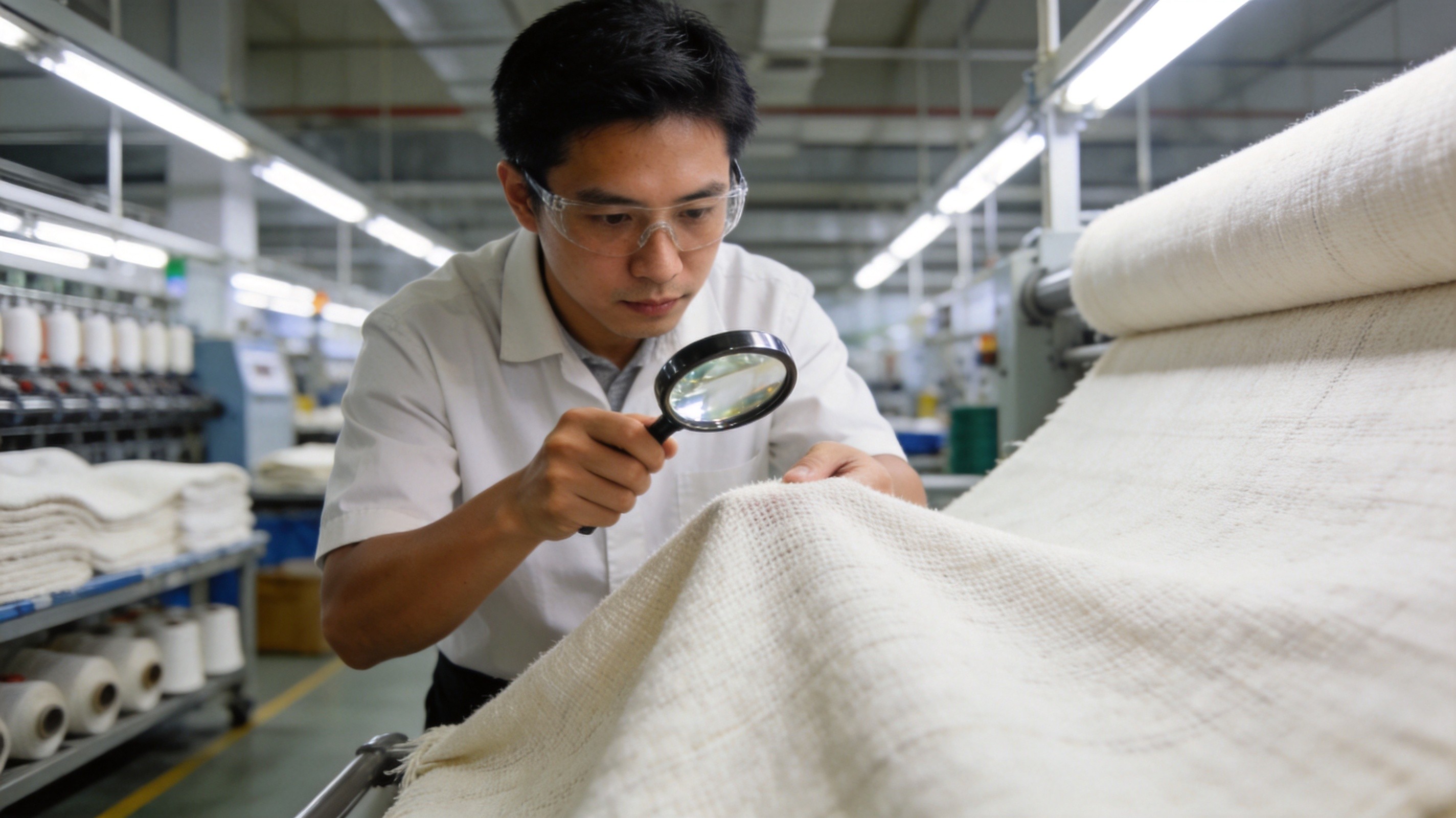
When sourcing linen viscose fabric, buyers should request test reports covering the following parameters. Mujia Textile provides SGS, Intertek, or BV test reports upon request:
- Composition analysis (ISO 1833) — verify 55/45 ratio
- Dimensional stability (ISO 3759) — confirm shrinkage within limits
- Color fastness suite — washing, rubbing (dry/wet), light, perspiration
- pH value (ISO 3071) — skin-safe range 6.5–7.5
- Formaldehyde content (ISO 14184) — must meet OEKO-TEX or target market regulations
- Tear & tensile strength — ensure durability for garment construction
- Pilling resistance (ISO 12945-2) — Grade 3+ after 5,000 revolutions
Sourcing Linen Viscose Fabric from China
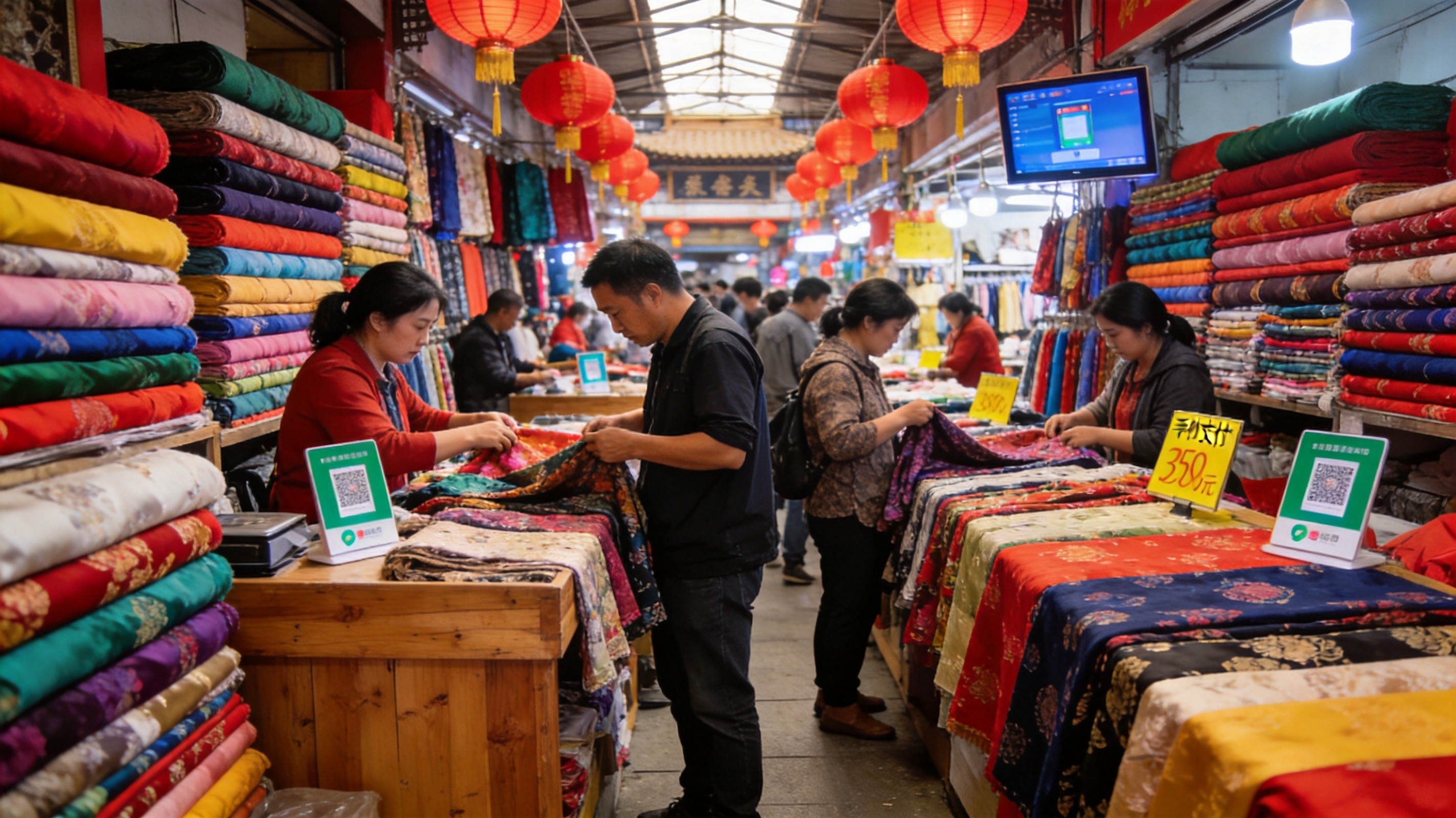
China is the world's largest producer of linen viscose blend fabrics, and Keqiao District in Shaoxing, Zhejiang Province is the epicenter. Home to Asia's largest textile trading market (China Textile City), Keqiao hosts thousands of fabric suppliers, weavers, dyers, and finishers within a 20-kilometer radius.
Why Keqiao Dominates Linen Viscose Production
- Supply chain density: Yarn spinning, weaving, dyeing, finishing, and testing are all available within the district — reducing lead times and logistics costs.
- Scale economies: The concentration of production allows suppliers to maintain massive stock programs (like 211 colors) that would be uneconomical elsewhere.
- Technical expertise: Decades of blend fabric production have resulted in refined processes for consistent quality across large batches.
- Export infrastructure: Proximity to Ningbo and Shanghai ports (2–3 hours by truck) ensures efficient international shipping.
Sourcing Tips for International Buyers
| Step | Action | Tip |
|---|---|---|
| 1. Supplier Verification | Check business license, factory audit reports, export history | Use Alibaba, Global Sources, or attend Intertextile Shanghai |
| 2. Sample Request | Request quality hangers and lab dips before committing | Expect 5–7 days for sample delivery via DHL |
| 3. Contract Terms | Specify composition, GSM, width, shrinkage, color fastness in PO | Include tolerance ranges and AQL inspection criteria |
| 4. Quality Inspection | Third-party inspection (SGS/Intertek/BV) before shipment | Inspect 10% of rolls minimum; check shade variation, weight, width |
| 5. Shipping | FOB Ningbo or Shanghai; CIF or DDP per Incoterms 2020 | Sea freight: 20–35 days to EU/US; Air freight: 3–5 days |
Red Flags to Watch For
- Too-low pricing: If a quote is significantly below market (under $3/m for linen viscose), the supplier may be cutting corners on fiber quality or using recycled viscose with inconsistent dye uptake.
- No physical address: Legitimate Keqiao suppliers have verifiable workshop or office locations. Request a video call to see the facility.
- Unwillingness to provide test reports: If a supplier cannot produce SGS or Intertek reports for their standard products, this is a serious quality concern.
- Vague composition claims: "Linen blend" without specifying the exact ratio is a red flag. Always demand precise composition percentages.
Why Choose Mujia Textile for Linen Viscose Fabric
Mujia Textile is a Keqiao-based fabric supplier specializing in natural fiber blends and stock color programs. Here is why international brands and manufacturers choose us:
| Advantage | Details |
|---|---|
| 211-Color Stock Program | The largest in-stock linen viscose color range from a single Keqiao supplier. No other competitor offers this breadth of immediate availability. |
| 10-Day Delivery | From order confirmation to shipment — not just production time, but total lead time. We ship via DHL, FedEx, or sea freight per your schedule. |
| Low MOQ | Starting from 1 roll for stock colors. We support emerging brands, sampling, and small-batch production runs. |
| Quality Assurance | Every batch tested in-house. Third-party reports (SGS, Intertek, BV) available. OEKO-TEX Standard 100 compliant. |
| Flexible Customization | Custom GSM, width, composition ratio, and Pantone dye-to-match services available for orders above 1,000m. |
| Direct Factory Relationship | We work directly with weaving and dyeing mills in Keqiao — no middlemen markups. Transparent pricing. |
| Export Experience | Serving buyers in Europe, North America, Australia, and the Middle East. Familiar with REACH, CPSIA, and regional compliance requirements. |
Ready to Source Linen Viscose Fabric?
Get a free color card, request a quote, or ask technical questions. Our team responds within 12 hours.
Email: info@mujiatextile.com
Phone/WhatsApp: +86 151 5752 5252
Location: Keqiao District, Shaoxing, Zhejiang, China
Website: mujiatextile.com
Frequently Asked Questions
Q1: What is linen viscose fabric?
Linen viscose fabric is a blended textile made from natural linen (flax) fibers and semi-synthetic viscose (rayon) fibers. The combination delivers the breathability and textured aesthetics of linen with the softness, drape, and moisture absorption of viscose, creating a versatile fabric ideal for spring and summer garments.
Q2: What are the typical specifications of linen viscose blend fabric?
Standard specifications include: composition 55% linen / 45% viscose, weight 140–160 GSM, width 140cm, shrinkage rate 3–5%, and color fastness grade 3–4. The MJ8015 series from Mujia Textile offers 211 stock colors with a 10-day delivery window.
Q3: What is the MOQ for linen viscose fabric from China?
For stock color programs like MJ8015, the MOQ is typically 1 roll (approximately 50–100 meters). For custom dye orders, MOQ usually starts at 1,000 meters per color. Mujia Textile offers flexible terms — contact us for exact MOQ based on your order specifics.
Q4: How does linen viscose compare to pure linen?
Linen viscose blend is softer, more drapable, and less prone to wrinkling than pure linen, while retaining most of linen's breathability and natural texture. It is generally more affordable than 100% linen and offers better color vibrancy due to viscose's excellent dye absorption. The trade-off is slightly lower tensile strength and a less "premium" natural fiber perception.
Q5: Is linen viscose fabric suitable for summer clothing?
Absolutely. Linen viscose is one of the best fabric choices for summer clothing. Linen provides natural cooling and moisture-wicking, while viscose adds silky softness and superior drape. The blend is lightweight (140–160 GSM), breathable, and comfortable against the skin in hot and humid conditions. It is widely used for blouses, dresses, resort wear, and summer separates.
Q6: How do I care for linen viscose garments?
Machine wash cold (30°C max) on a gentle cycle. Use mild detergent. Do not bleach. Tumble dry on low or hang dry. Iron on medium heat (150°C) while slightly damp, preferably on the reverse side. Dry cleaning is acceptable. Expect 3–5% shrinkage on the first wash — pre-wash fabric before cutting if possible.