Knowledge Base
Fabric Sourcing Guides & Buyer's Articles
Custom artwork is welcome: new designs are developed to order, any colour count — the designs listed here are simply what is in stock.
Practical guides written by our team on our factory floor in Zhuji, China — market walkthroughs, supplier vetting, spec breakdowns, eco-certifications and trend reports for brands buying fabrics from China.
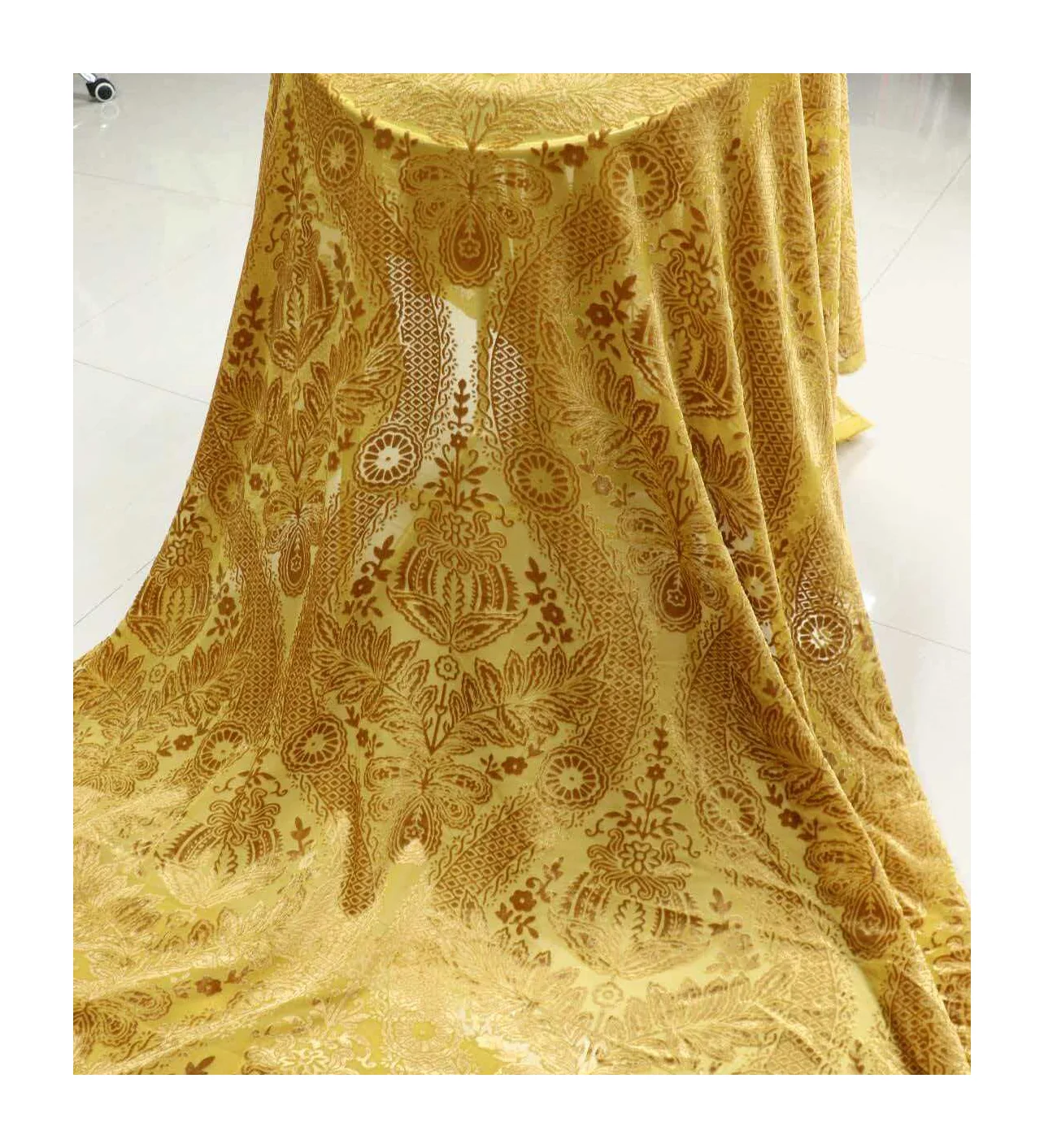
Velvet Fabric Overview
Burnout, solid-dyed and stretch velvet from our own mill — what each one is, what it costs and who buys it.
Read the overview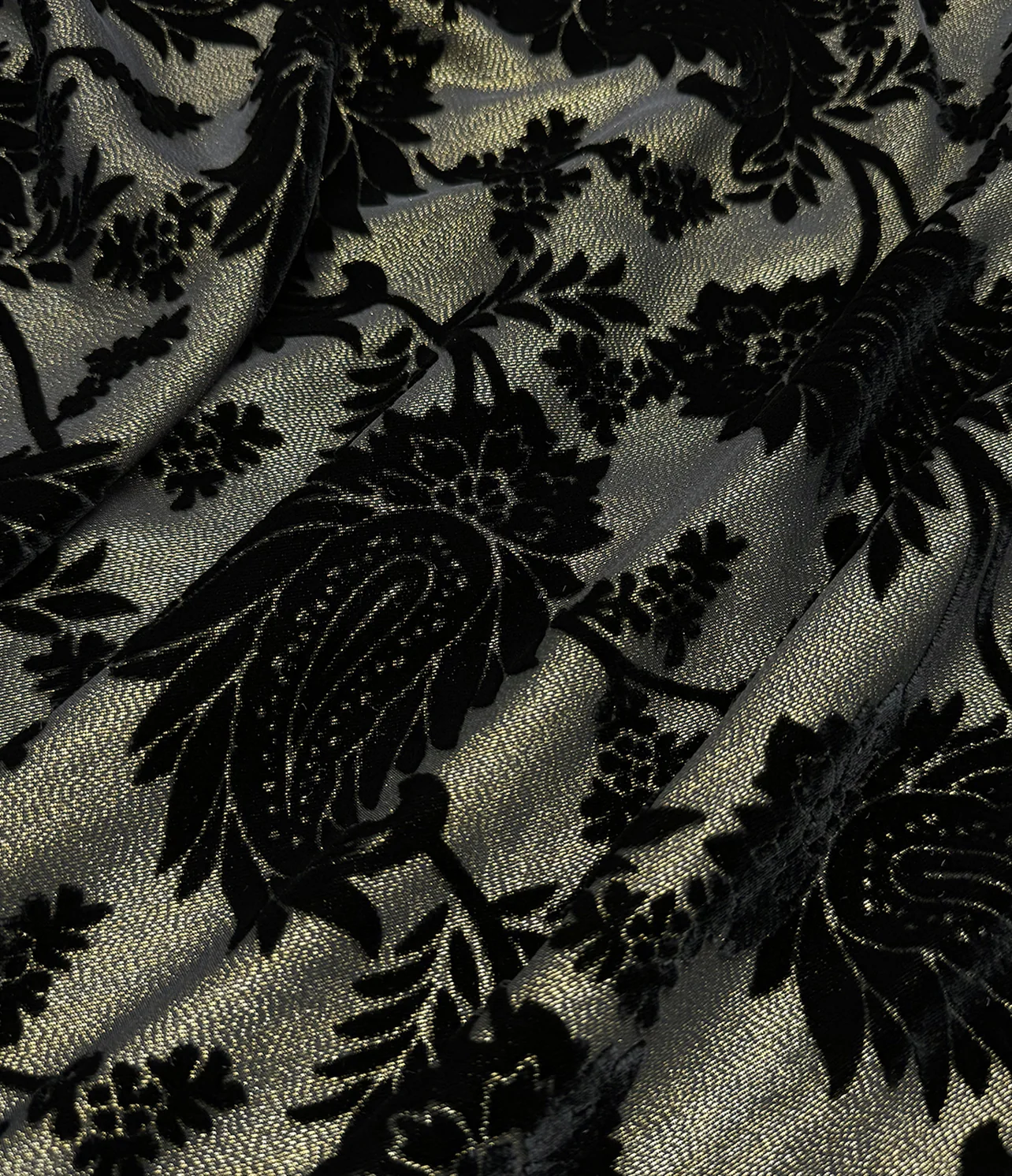
Velvet Buying Guide
Pile, weight, backing and finishing: how to spec a velvet order that arrives the way you sampled it.
Read the guide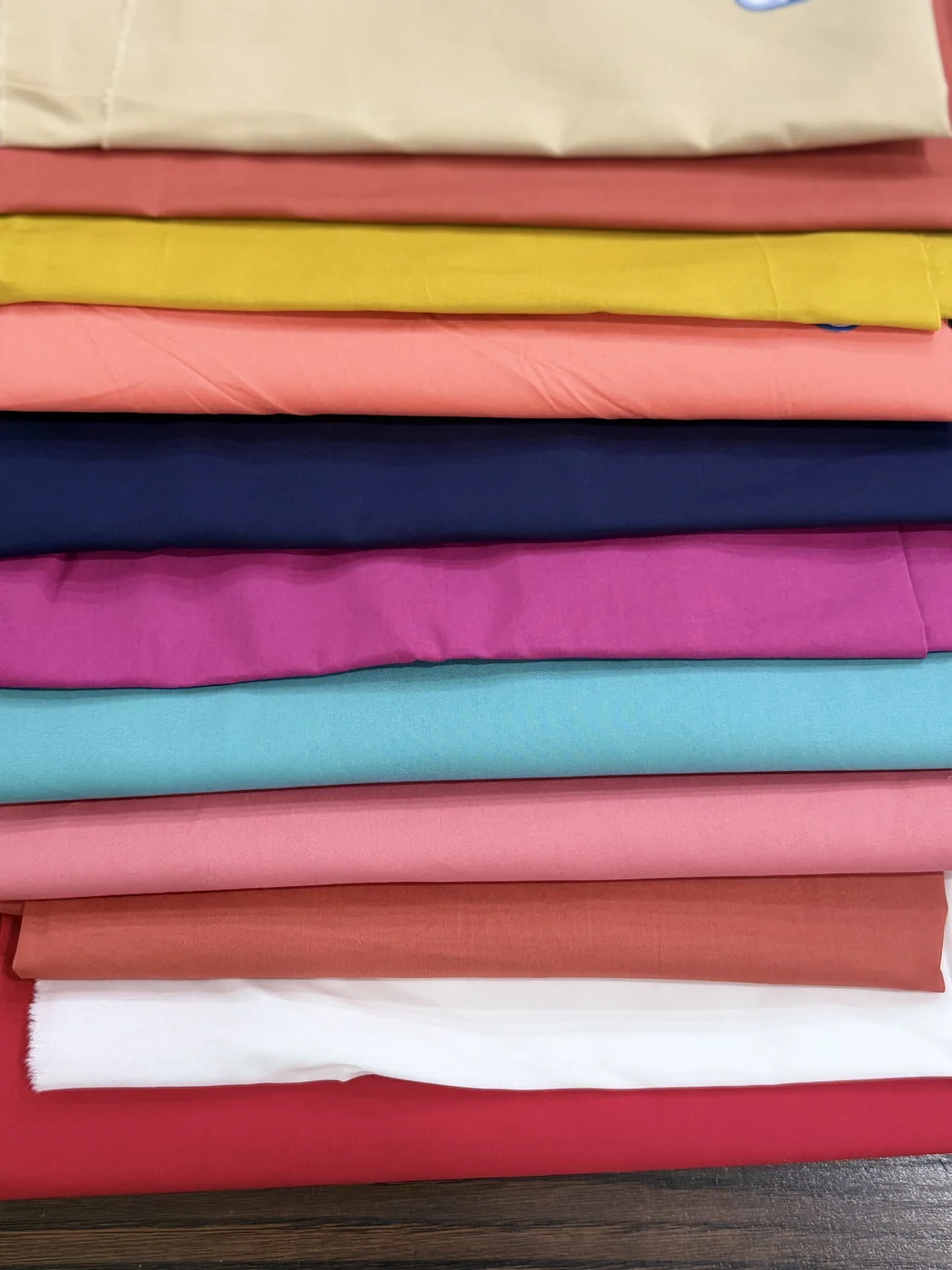
Poplin Imitation Tencel — 154 Colours
100% cotton poplin finished to feel like lyocell. 154 stock shades on the M60201 card, 300 m MOQ, 15-day lead.
See the shade card
Baby-Grade Double Gauze: A Certification Problem
Why compliance decides this category before handfeel does — who holds which certificate, what GB 18401 Class A governs, and four checks that settle a claim in one email.
Read the guide
182 Colours, One Greige: What a Stock Shade Program Costs
Dyeing 182 shades is ordinary work. Holding them still on a shelf batch after batch is not — and that cost is why most mills never run a program like this.
Read the guide
The Tie-Point Is the Fabric: Judging Double Gauze
Weight tells you how much cotton is in the cloth. Tie-points decide whether it still works as one fabric after the tenth wash — three tests that settle it.
Read the guideDouble Gauze Pilling: What the Grades Mean
Fuzz is not pilling. Martindale grades 1-5 and the clause to write into a PO.
Read the guide
Seersucker or Double Gauze? Reading the Inquiry
US says seersucker, EU and Japan say double gauze — often the same crinkled cotton.
Read the guide
Stock Print or Custom Print: Choosing Printed Poplin
Both routes open at 300 m. What actually separates them is who owns the artwork, how long a strike-off takes, and how the print sits after five washes.
Read the guide
Weight Bands: Our Printed Poplin Runs 90–120 GSM, Our Solid 100–140
Same 40s base cloth, two published weights — why print finish pulls the number down, and how to write a weight on a PO so inspection agrees with you.
Read the guideWhy Seersucker Crinkles — and Which One You Bought
Two constructions share one name. One tightens with every wash, the other slowly flattens, and the care label depends on which you ordered.
Read the guideSeersucker Fabric Buyer's Guide
125 GSM, woven crinkle vs caustic shrink, 182 colours, MOQ 300 m, FOB $1.40-2.20/m.
Read the guide
Sarongs and Head Wraps: Which Linen Weight Drapes
Opacity in daylight, fall from a single knot, grip in a bias fold — at 220 GSM sand-washed linen-viscose all three are met. At 140 GSM only one is.
Read the guideOne Fibre, Five Weights: Cotton from 100 to 390 GSM
The same fibre behaves as four different materials across the range. What changes by band, why structure beats weight, and the crossovers that cause specification errors.
Read the guide
Muslin Bath Towels and Nappies: Absorbency and Edges
Absorbency comes from fibre and structure, not weight. What 125 GSM muslin does when folded to six layers, and why the edge fails before the middle does.
Read the guide
Canvas Bags: Needle, Thread and Stitch Density at 280 GSM
A bag fails at the seam, not the panel. How weight sets the needle, why ply beats ticket size, and the stitch density that turns a seam into a perforation.
Read the guide
Gingham Matching Loss: Where 15-25% of Your Cloth Goes
A check has to line up at every seam, so the repeat sets the loss. The three sources of waste, and four cutting choices that recover 5-8 points of it.
Read the guideEyelet Artwork: Four Numbers, Not a Drawing
Hole diameter as finished, pitch, row gap and repeat. What a mill needs to build a pantograph, and why a JPEG brief costs a sample cycle every time.
Read the guide
Corduroy Trousers: Pocket Bags and Shade Matching
Three cloths go into one trouser. Why the pocket bag must never be the shell cloth, and why the same colour number reads lighter on pile than on flat.
Read the guideCorduroy Pile Crush in Transit
How MJ128, MJ138 and MJ555 are rolled, and what steam cannot fix.
Read the guideVelvet Storage: Pressure Marks, Recovery and Rolls
Velvet marks wherever it is compressed, and the mark is decided by the roll. Core size, roll length, no vacuum packing, and what steam can actually undo.
Read the guide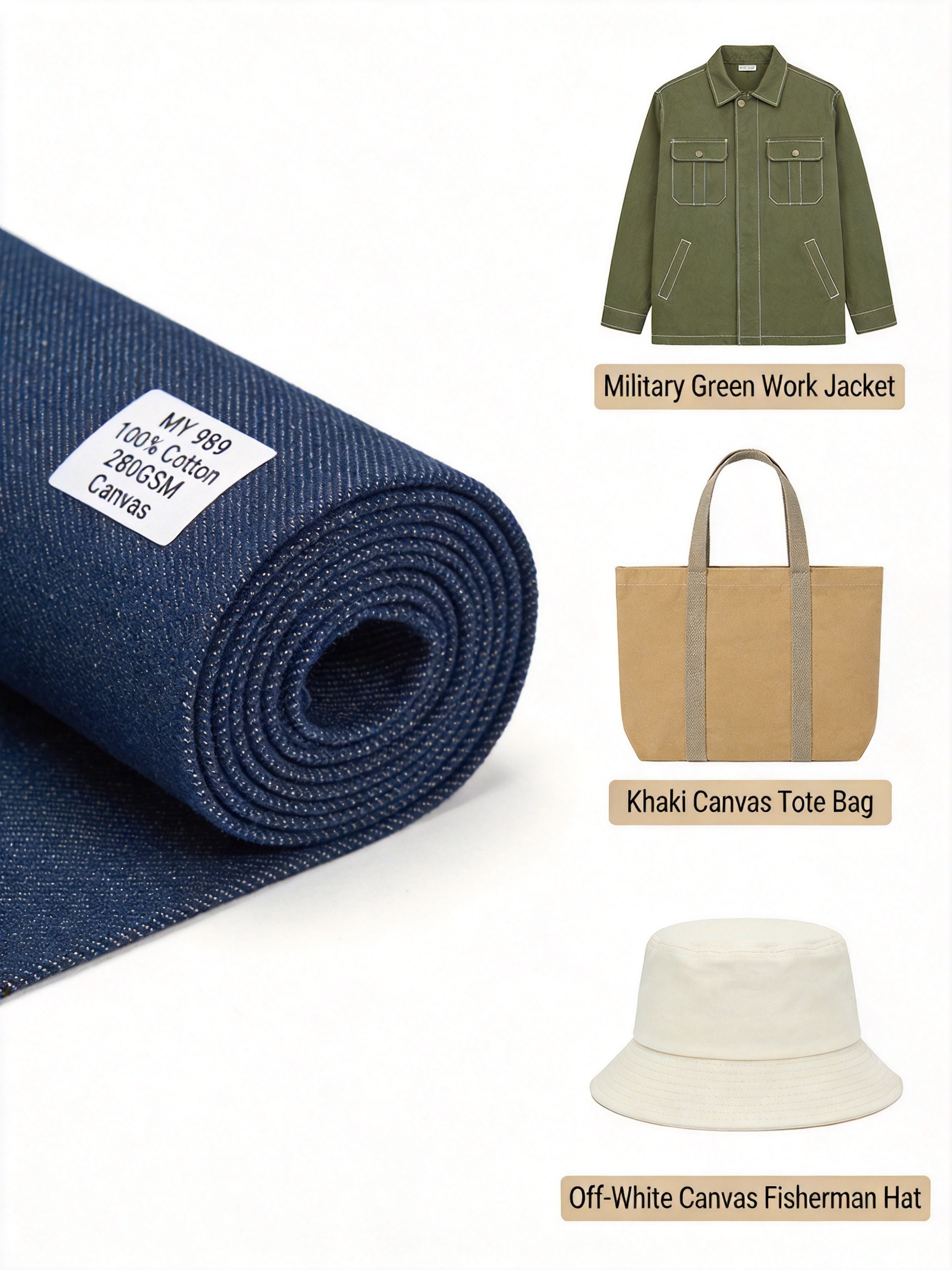
Washed Canvas vs Organic Canvas
Two different axes, not two grades. One has already given up its shrinkage; the other has not — and softness comes from washing, not from a certificate.
Read the guideDark Gingham: Which Test Fails First
On deep shades the failure is staining, not fading — and it appears on the white square next door. Why wet rubbing gives way before washing does.
Read the guide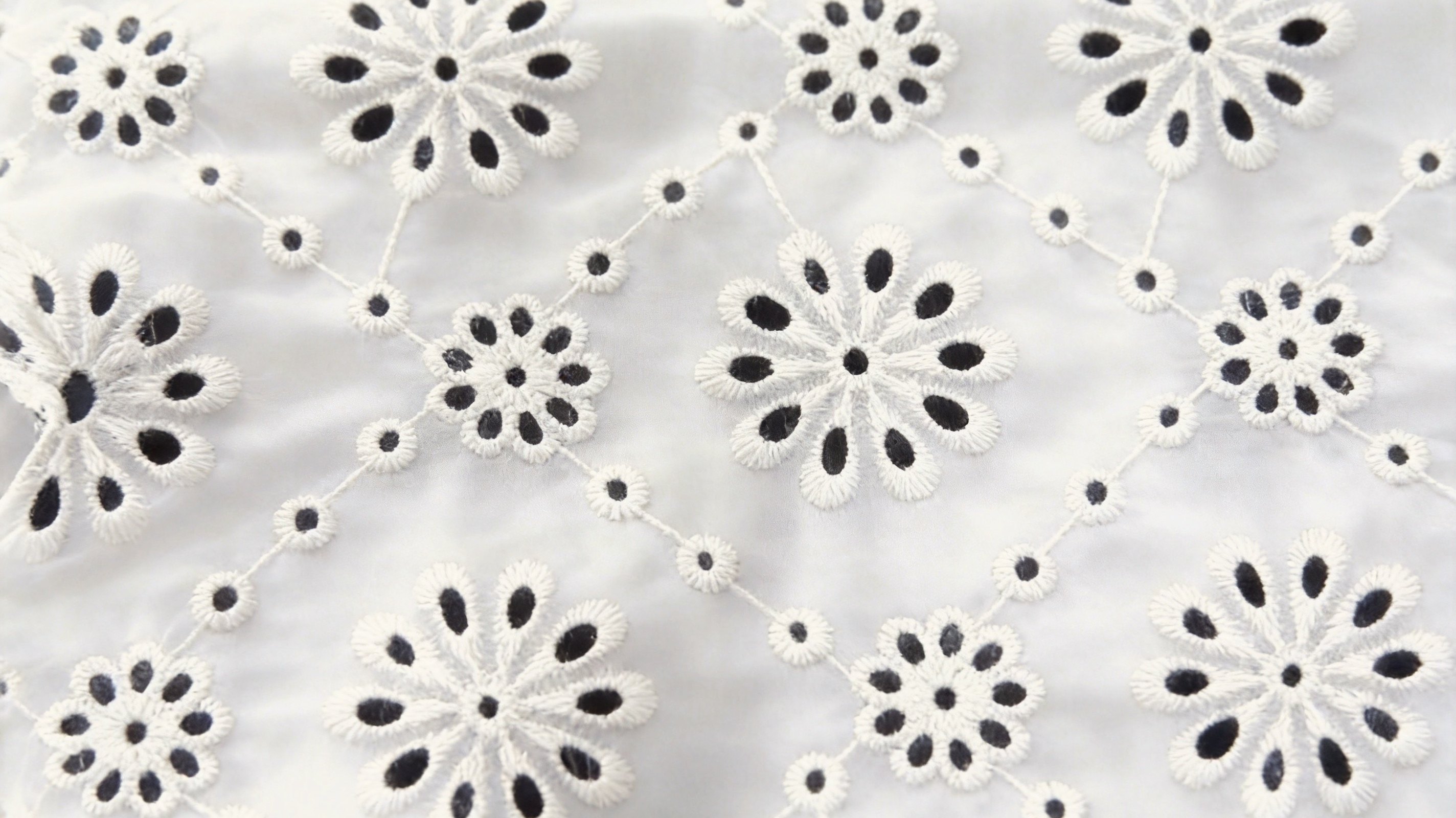
Eyelet Finishing and Hole Shape
The hole you approve is not the hole that ships. Softening closes it and makes it oval; easy-care resin holds the shape and brittles the edge.
Read the guide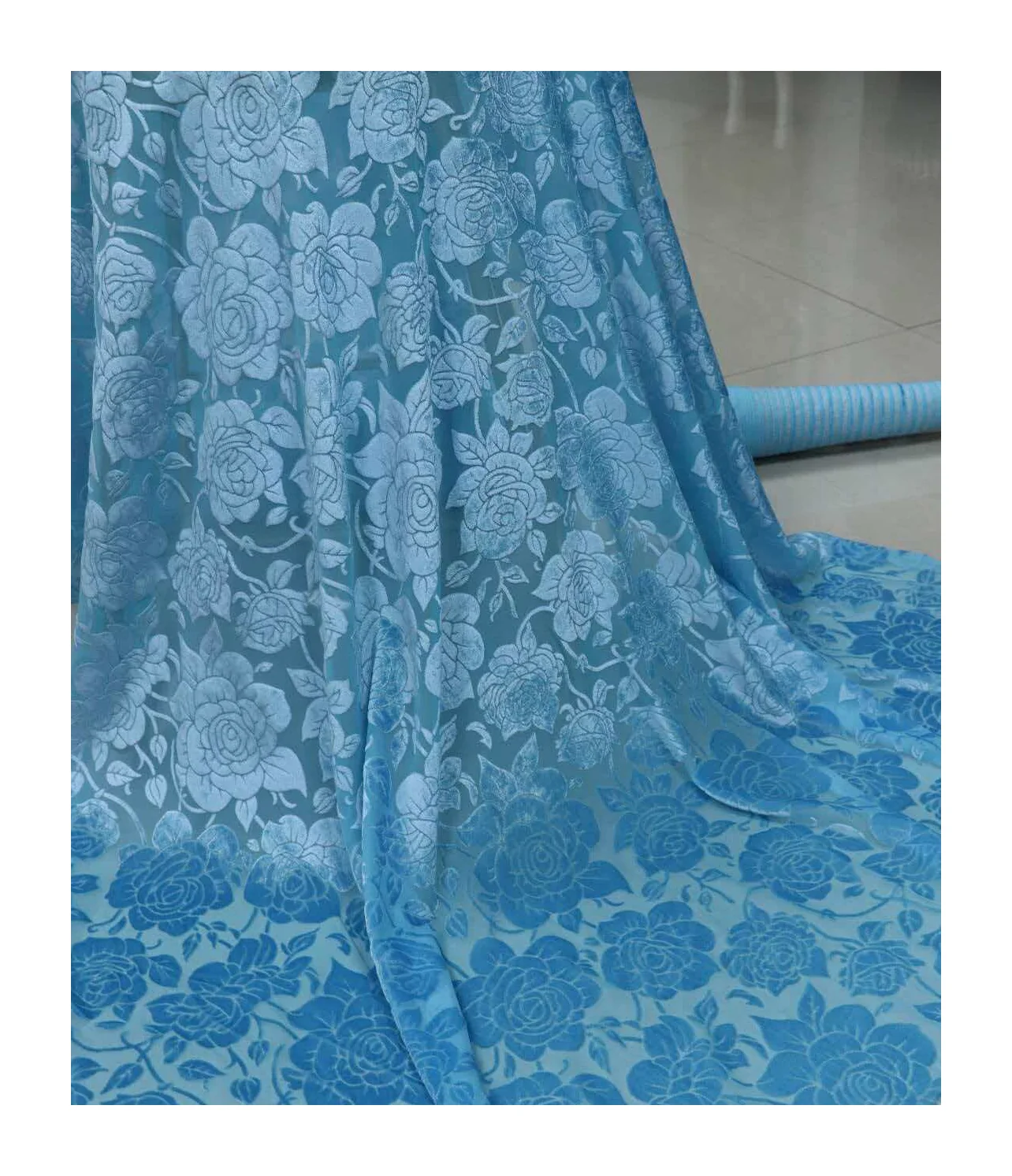
Burnout Velvet: Artwork to First Dye Lot
Two and a half to three weeks, and almost none of it is loom time. Three burnout levels, six process steps, and the signature that decides the date.
Read the timelineHow to Choose the Best Corduroy Manufacturer in China
Four criteria that separate real corduroy mills from traders, wale matching, MOQ and an audit checklist.
Read the guide
Corduroy Fabric Wholesale in China: MOQ, Pricing & Lead Time
Real per-color MOQs, how FOB price is built, the lead-time timeline, multi-color dye lots and shipping terms.
Read the guideEyelet Lace on Children’s Wear: A Safety Checklist
Small parts, sharp hole rims, drawstrings and formaldehyde — the four gateways an eyelet childswear order passes through, and what to write in the PO.
Read the guideLinen Curtain Fabric: Weight, Drape and Light
Why 220 g/m² is the working weight, what 140 cm width does to a panel, how much light linen really blocks, and how to allow for shrinkage.
Read the guide
Mercerised vs Carded Cotton: What Actually Differs
Mercerising is a finish, carding is a yarn. What caustic soda under tension changes, how to spot a caustic wash, and which end uses justify the premium.
Read the guideVelvet Cutting Yield: 140 cm vs 160 cm, Width by Width
An 80 cm panel yields once from a 140 cm roll, twice from 160 cm. The full 15-width table, and where seam allowance breaks the rule.
Read the guideDirac Fabric Yardage — What One Set Takes, and What 300 m Buys You
4–6 m per set at 140 cm. 300 m = 50–75 sets, US$930. Height bands, the cutting table, and the 70 cm cliff.
Read the guide
Velvet Container Loading: Metres per 20ft / 40ft HQ
About 29,500 m per 20ft at 140 cm, 25,800 m at 160 cm — calculated from our own canvas shipments, method shown in full.
Read the guide
What Is Viscose Nylon Velvet? 80/20 Composition Explained
What the viscose pile and the nylon ground each do, why the ratio is 80/20, and three ways to verify what you were sent.
Read the guide
Velvet Hijab Fabric: Which Weight Actually Works Against the Skin
Why 170–220 GSM works and 250 does not, pile-in vs pile-out, and how many hijabs a 300 m order yields.
Read the guide
Velvet vs Velour: The Difference Buyers Actually Need to Check
Woven warp-pile vs knitted cut-loop — reverse side, crosswise stretch, selvedge: three checks that settle it on any sample.
Read the guide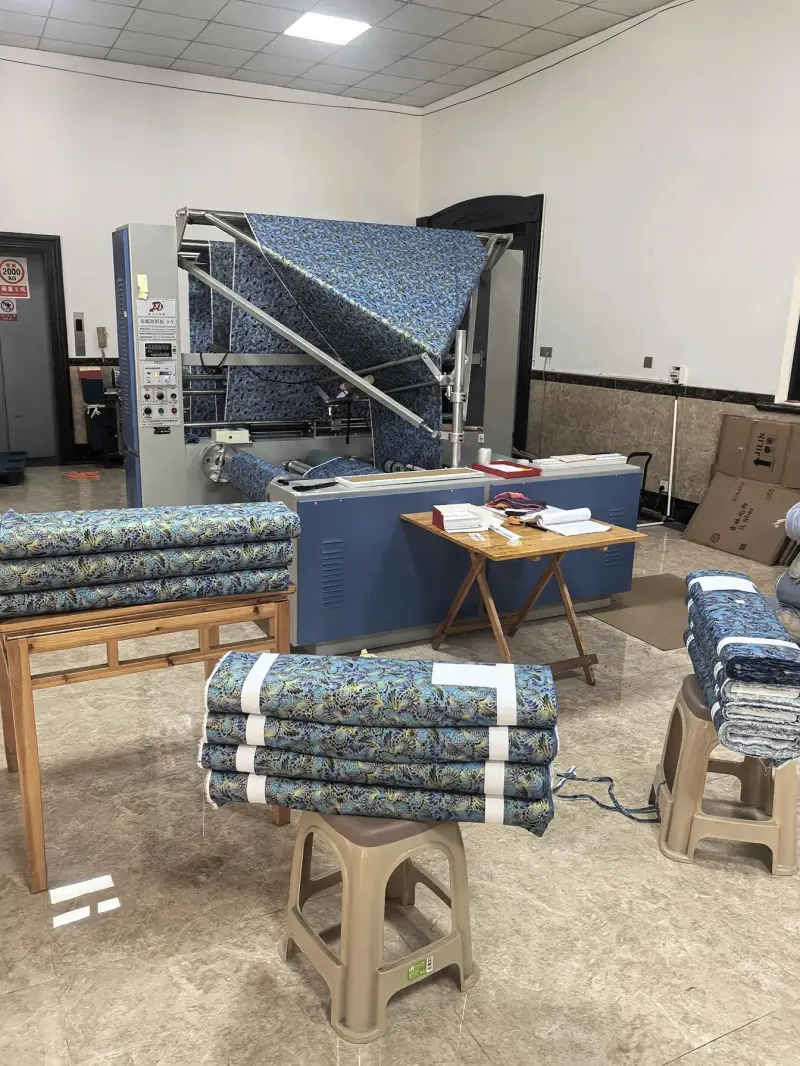
Burnout Velvet vs Solid Velvet: What Actually Changes
Burnout removes fibre: lighter, translucent, cheaper per metre but dearer per kilo, and 300 m per design. Four checks against printed and embossed.
Read the guide10S/3 Canvas: Why Ply Beats Single Yarn
Why heavy canvas is plied rather than spun coarse, where a load-bearing bag actually fails, and the ounce-to-gram conversion that gets missed.
Read the guideChina Factory Audit Guide
What to check, ask and watch for when auditing a Keqiao fabric factory.
Read the guideComplete Guide to Cotton Fabric Types
Poplin, corduroy, canvas, chambray, voile — weights, weaves, and use cases.
Read the guideCorduroy Buyer's Guide: Wale Types & Specs
Fine/mid/wide wale, GSM, stretch — specs for sourcing corduroy from China.
Read the guideCorduroy Shrinkage & Care Guide
How to wash, dry and iron corduroy without pilling or losing shape.
Read the guideCorduroy vs Denim: FW 2026 Trend Comparison
Why corduroy is replacing denim in AW26 collections — from Keqiao.
Read the guideCotton Corduroy vs Printed Crown: Spring 2026
SS26 fabric trend — corduroy, printed crown, and the shift to texture.
Read the guide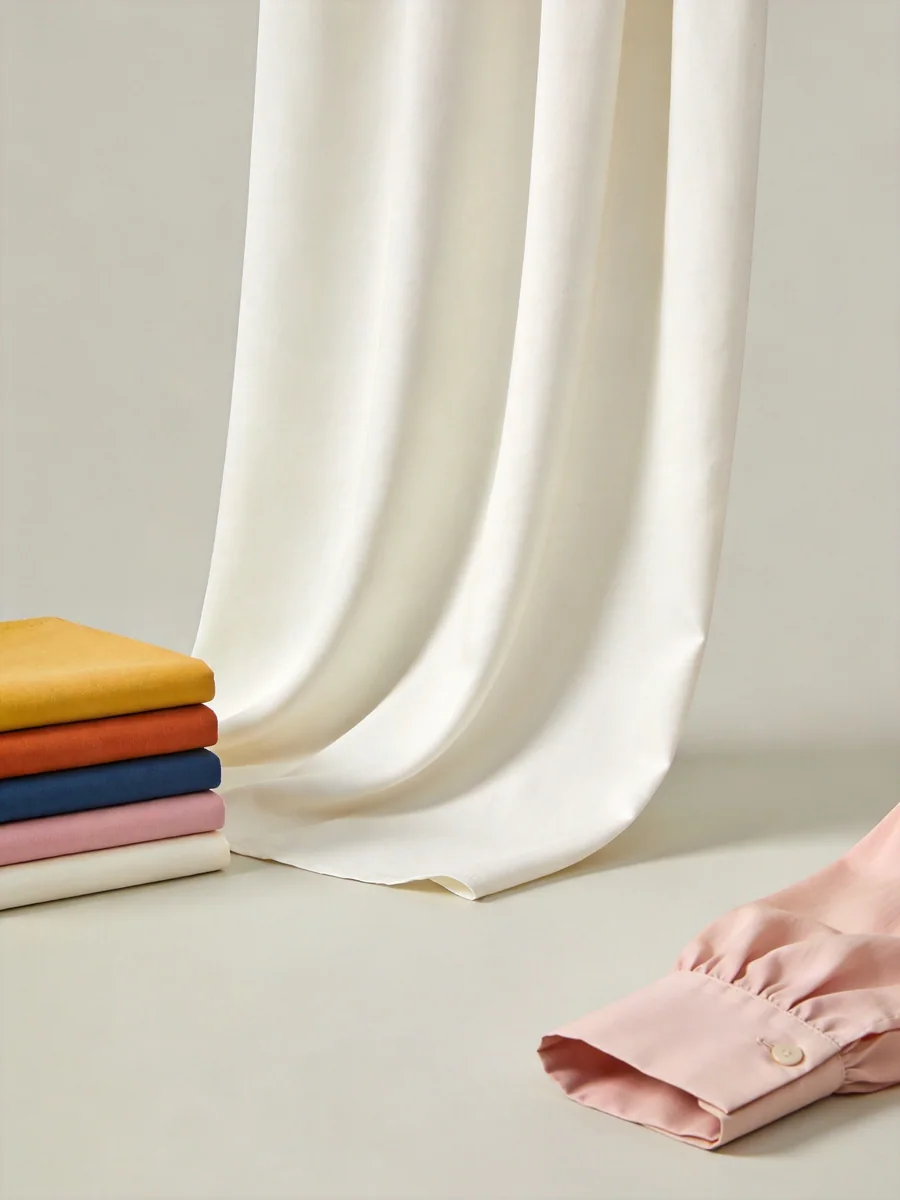
Cotton Poplin Overview: 145 GSM
Poplin construction, thread count and hand-feel — why 145 GSM 100% cotton poplin is the workhorse shirting base.
Read the guide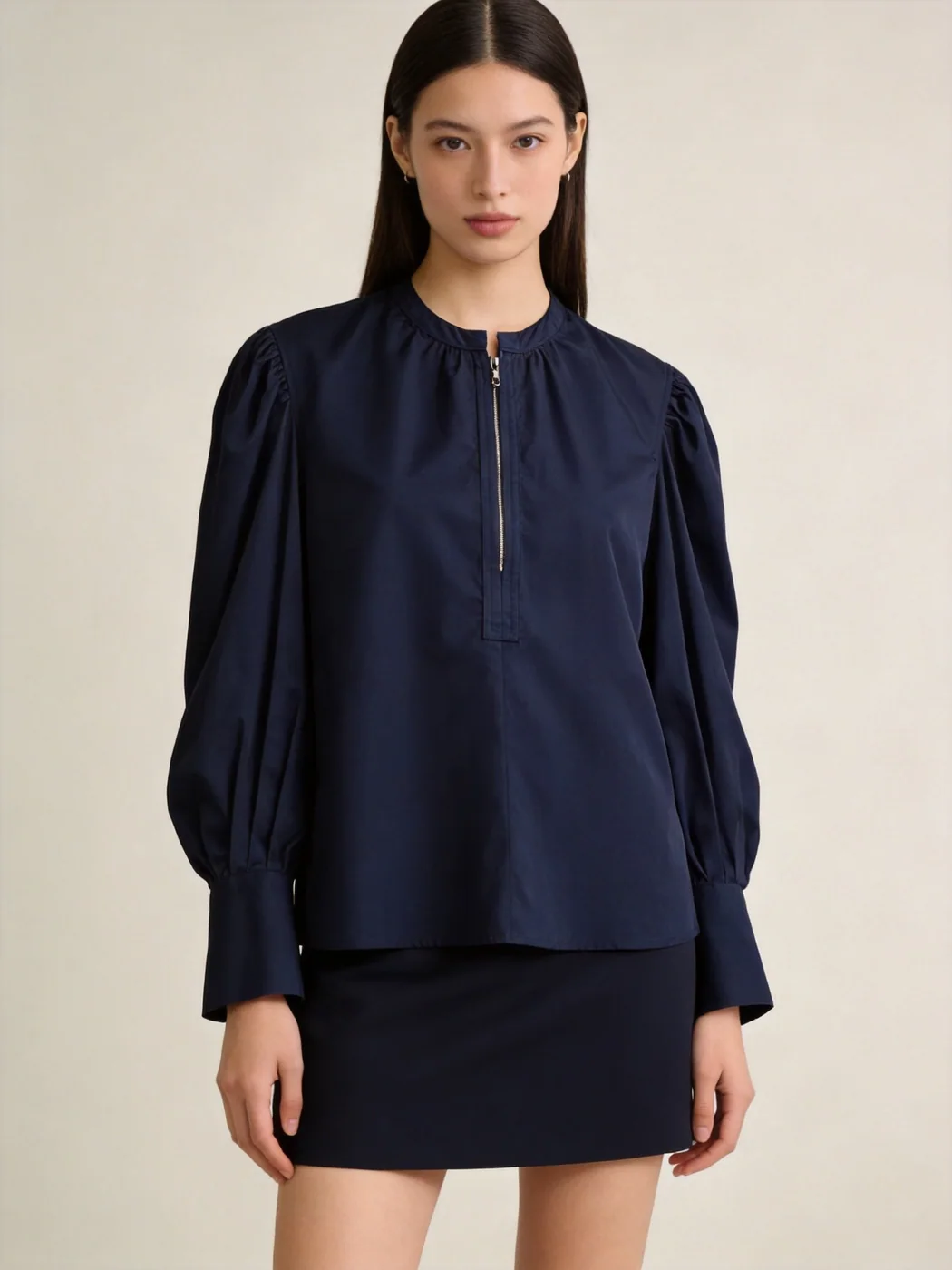
Cotton Poplin Buying Guide: MOQ, Price & Printing
FOB price bands, print minimums, shrinkage control and the lab-dip approval flow for poplin programmes.
Read the guideFabric Sourcing Timeline: Sample to Bulk
Realistic lead times from first swatch to bulk shipment — how to avoid delays.
Read the guideFabric Weight & GSM Guide
How to choose the right GSM — from 145 GSM poplin to 340 GSM corduroy.
Read the guide
How to Source Quality Fabrics from China
Supplier vetting, MOQ negotiation, QC and Keqiao — for small to mid-size brands.
Read the guideKeqiao Fabric Market: Complete Buying Guide
How to navigate China Textile City and arrange logistics — for Western buyers.
Read the guide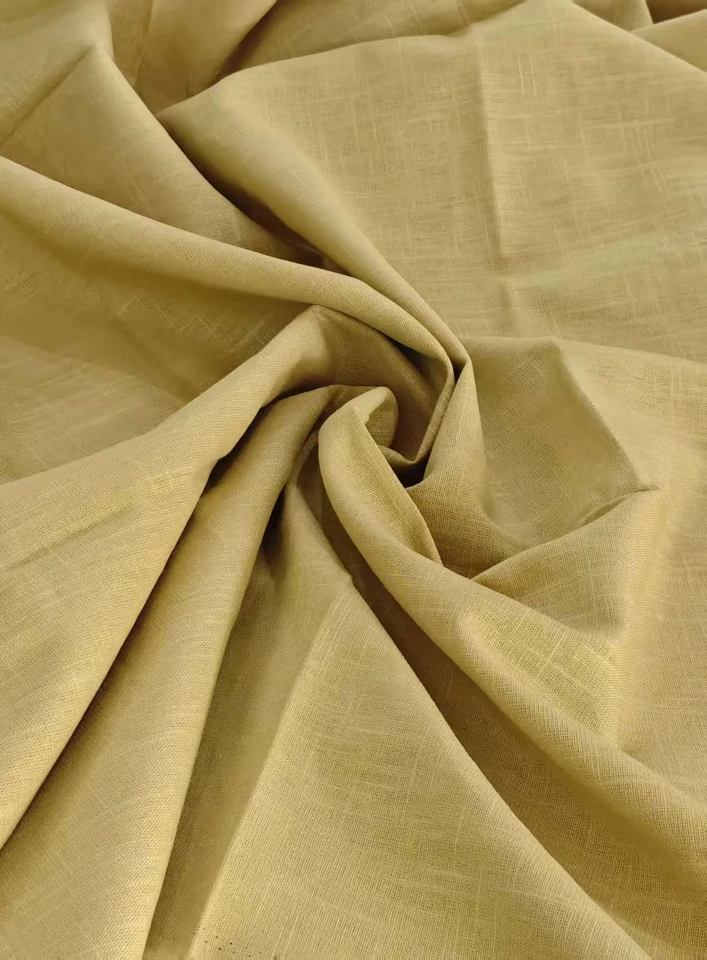
Linen-Cotton Fabric Buyer's Guide
Buyer's guide to 55/45 linen cotton slub fabric (MJ 5506): 220 GSM, 140 cm, 60 colors, MOQ 300m, FOB $3.45-$3.60/m, ships in 10…
Read the guide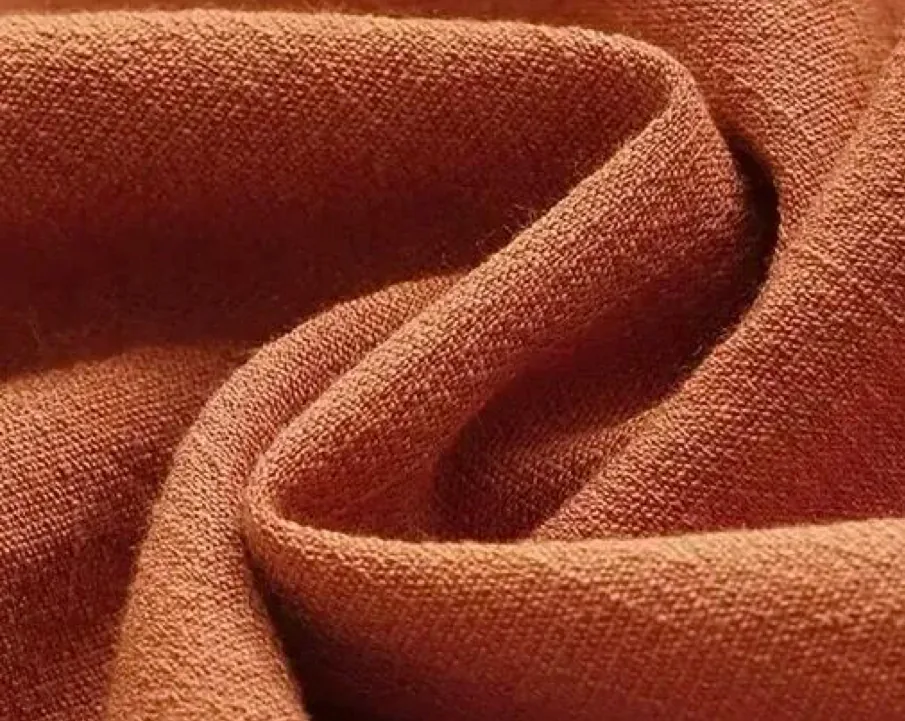
Linen-Blend Fabric Buyer's Guide
Complete buyer's guide to linen blend fabric: compare MJ 5506 linen-cotton (55/45, 220 GSM, 60 colors) and MJ 8015 sand-washed…
Read the guideLinen-Viscose Fabric Buyer's Guide
80/20 blend, sand-washed finish, 211 colors — from a Zhuji mill.
Read the guideQuilted Cotton Fabric Buyer's Guide
Sandwich quilted, single-layer, GSM, patterns — from a Zhuji mill.
Read the guideSustainable Fabric Certifications in China
GRS, OEKO-TEX, GOTS, BCI — what each cert means and which matter.
Read the guideWhy Keqiao is the World's Largest Textile Hub
Supply-chain advantages, logistics and why global brands source from Keqiao.
Read the guideCotton Printed Fabric Buyer's Guide
Print quality checks, MOQ, and FOB pricing — from a Keqiao poplin & M4011-1 manufacturer.
Read the guide
Digital Printing Custom Fabric Guide
MOQ, lead time, strike-off costs and test reports — everything before ordering custom prints.
Read the guide
European-Style Digital Print Fabrics
18 classic designs in the European Collection — florals, damasks, toile de jouy — in 6 colorways each.
Read the guideFabric MOQ & Payment Terms
What MOQ really means, how T/T works, and what's flexible — for first-time importers.
Read the guideGingham Fabric Buyer's Guide
7702 series at 100 GSM, FOB $1.72-$1.82/m, MOQ 300m — 91 colors in stock from Keqiao.
Read the guideCotton Eyelet Fabric Buyer's Guide
11 eyelet embroidery patterns, 100-130 GSM, FOB $2.3-2.7/m — complete sourcing guide from Keqiao.
Read the guideLinen-Viscose Sand-Washed Fabric Guide
211 in-stock colors, 80/20 linen/viscose, sand-washed finish — FOB pricing & specs.
Read the guide
MJ138 Mid Wale Stretch Corduroy
97% cotton, 3% spandex, 340 GSM — business-casual chinos & overshirts. MOQ 300m.
Read the guideMJ555 Wide Wale Corduroy
100% cotton, 290-300 GSM, reactive solid dyeing — vintage workwear & rugged outerwear.
Read the guide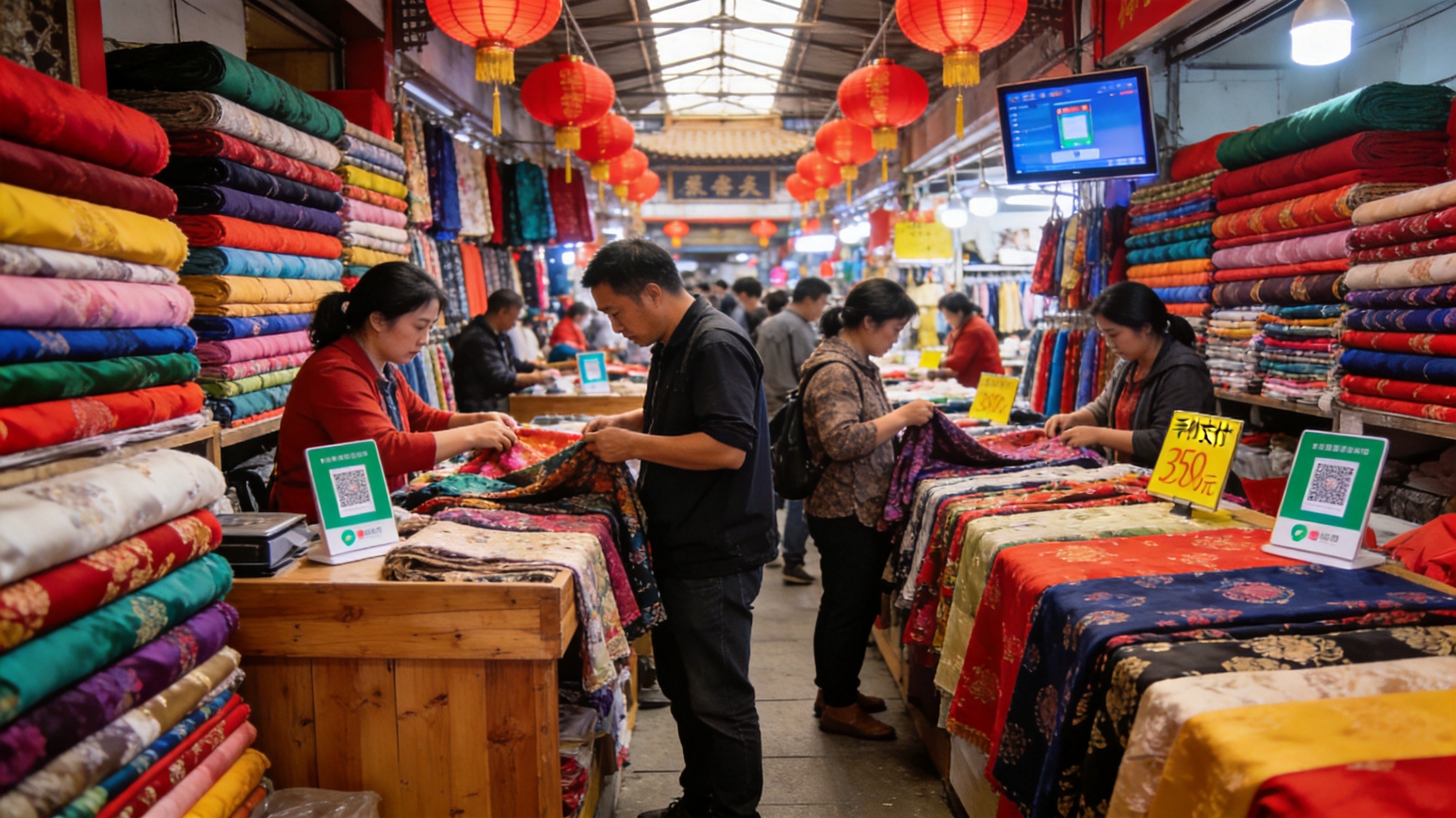
Fabric Price & FOB Cost Breakdown
How a cotton fabric price is really built - yarn, weaving, dyeing, printing, wastage and every line in an FOB quote.
Read the guide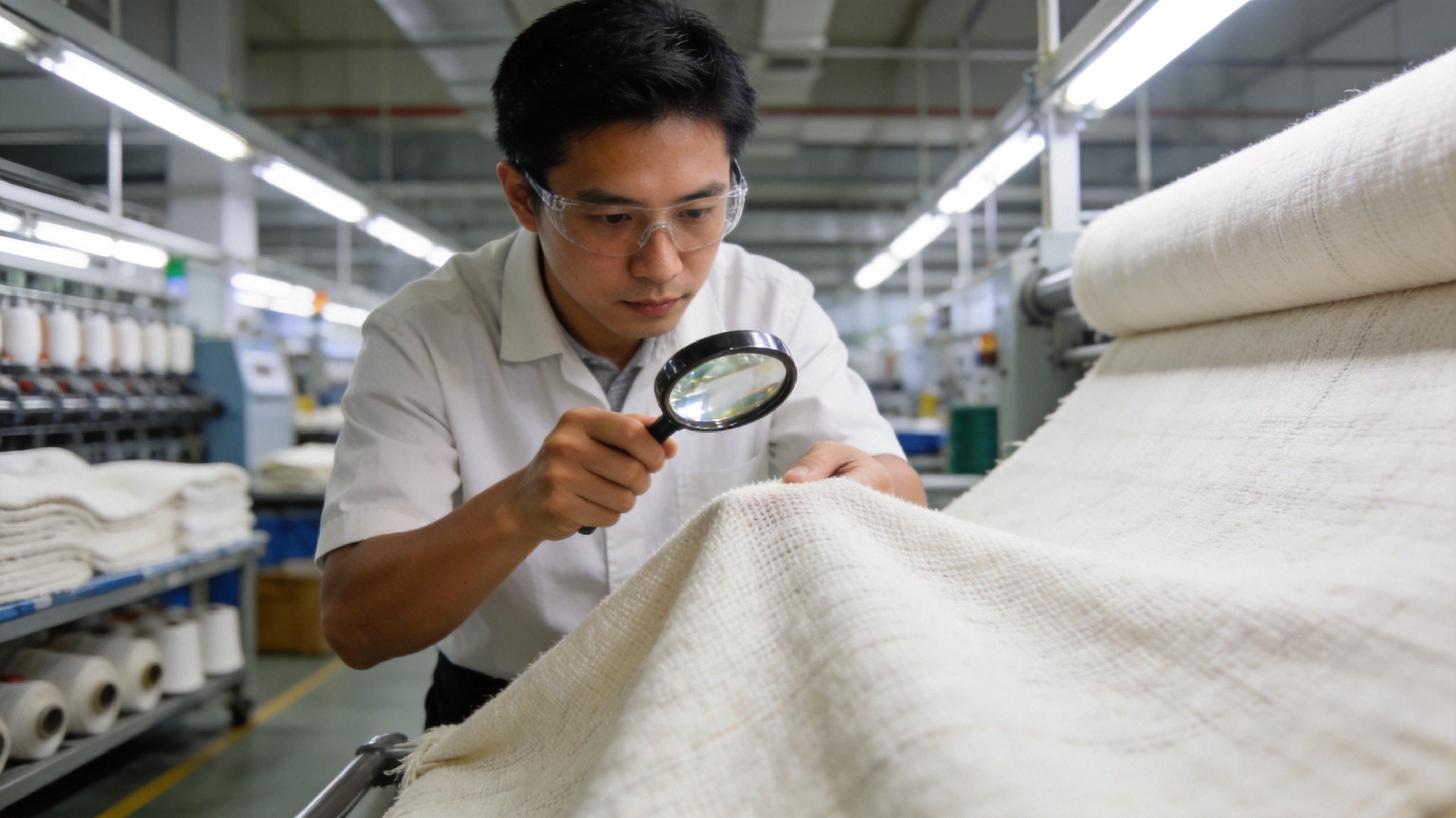
Fabric QC & Inspection Guide
The 4-point system, AQL sampling, common defects and exactly what to inspect before a fabric shipment leaves.
Read the guide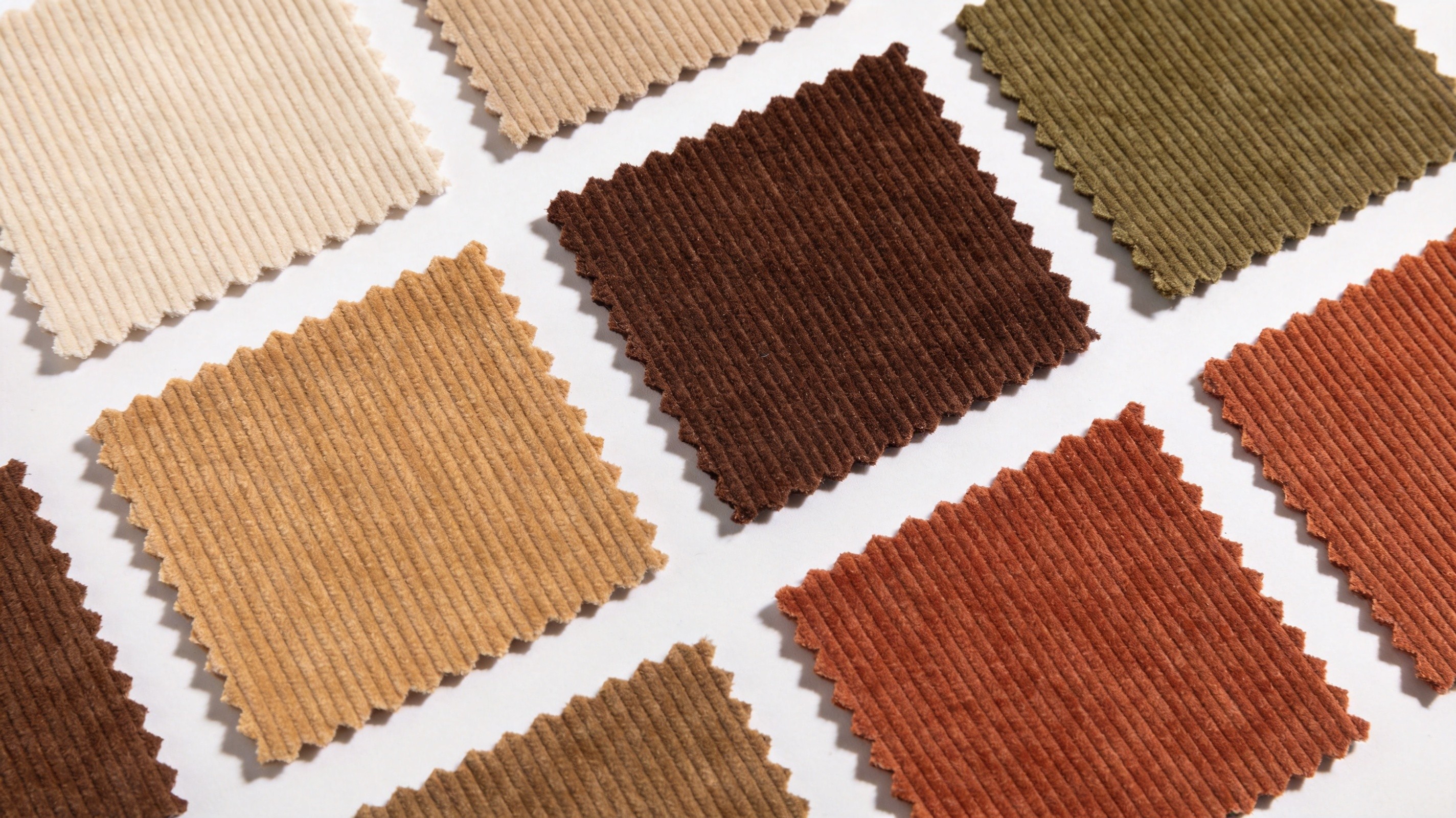
Fabric Shrinkage Guide
Why cotton shrinks, typical ranges by fabric, sanforization, ISO 6330 / AATCC tests and how to prevent it.
Read the guide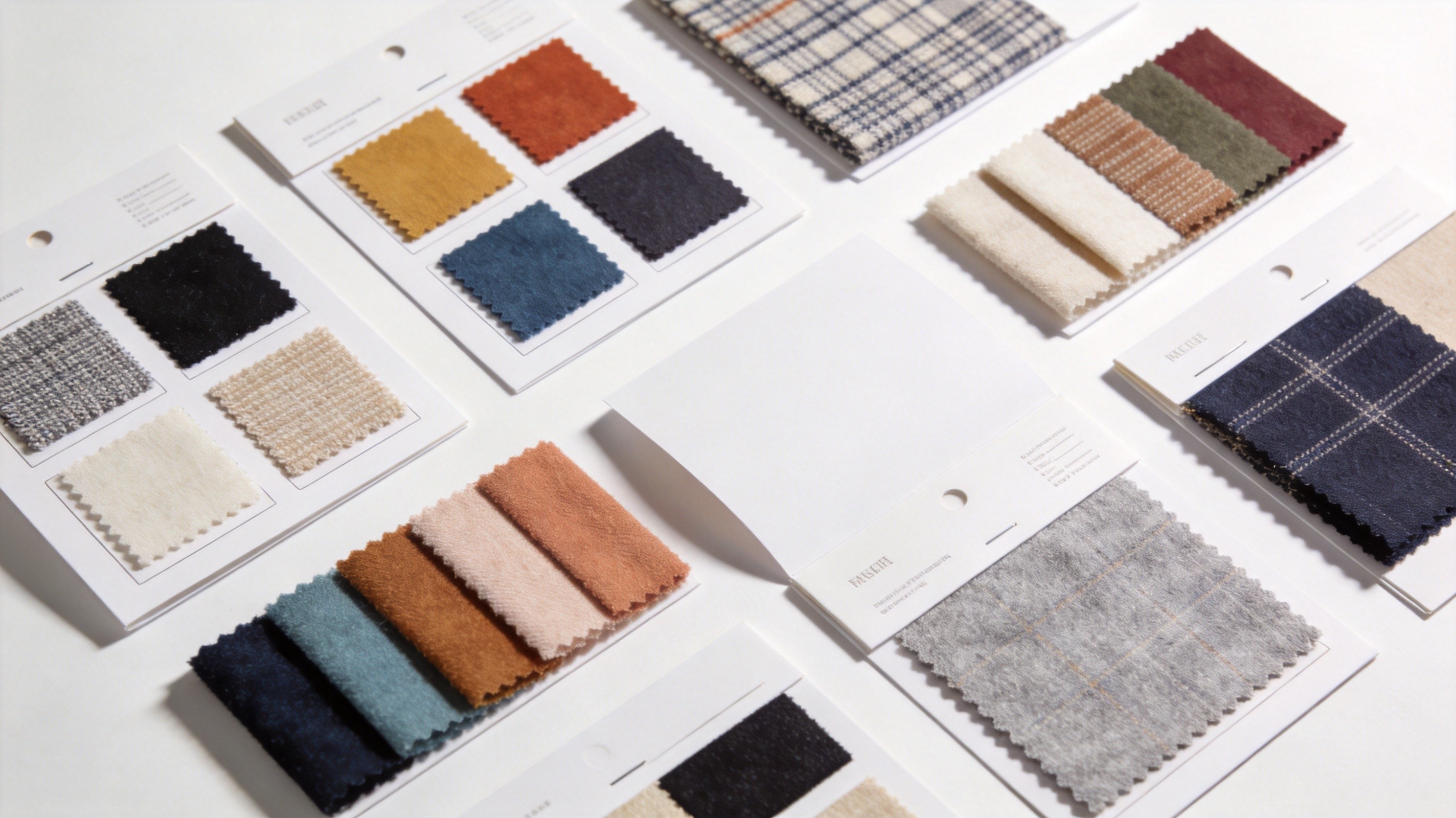
Fabric Testing Methods Guide
GSM, colorfastness, shrinkage, pilling, tear strength and eco tests - the reports every cotton buyer should request.
Read the guide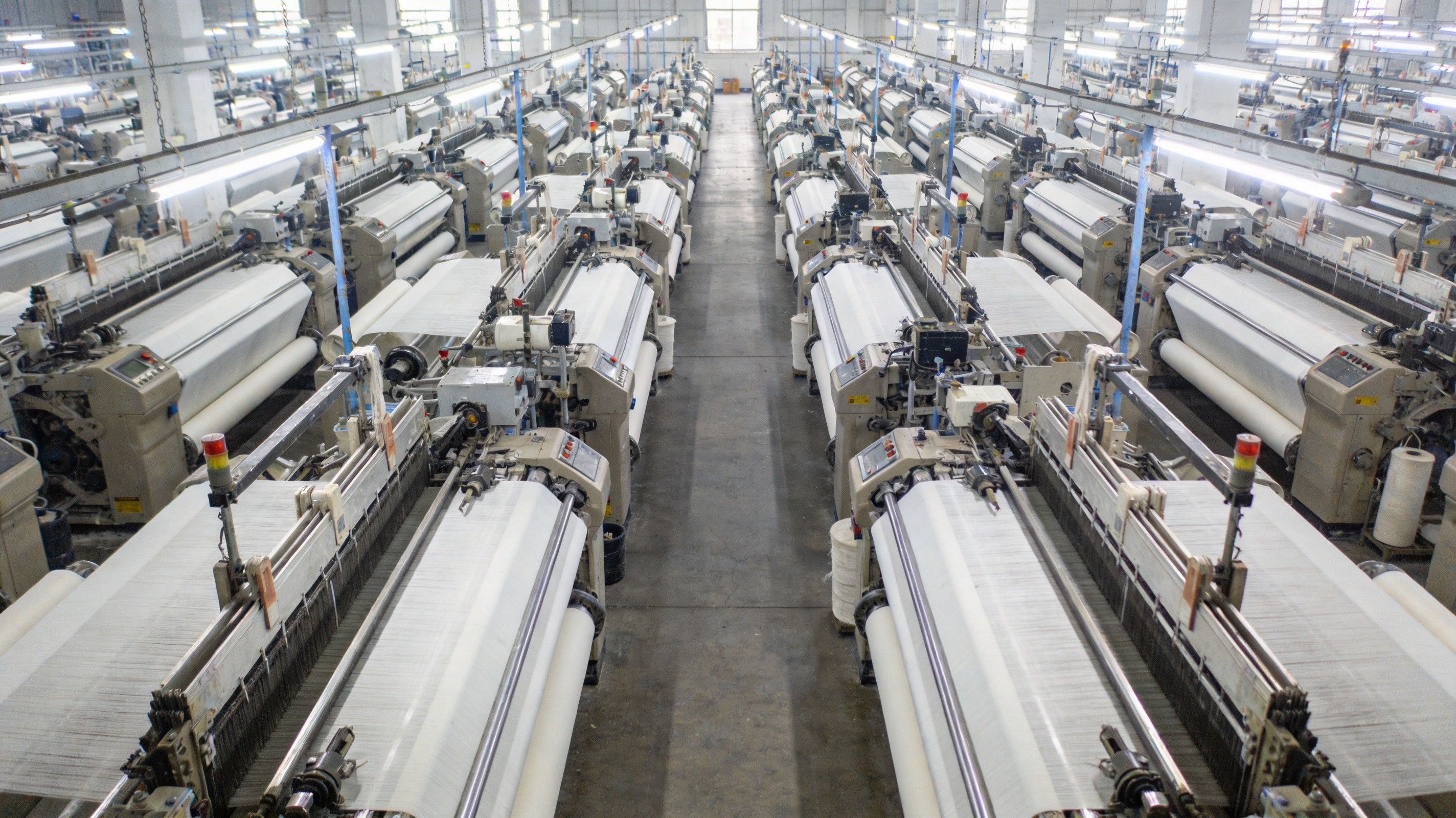
FOB & Shipping Terms Guide
FOB vs CIF vs CFR vs EXW vs DDP, risk transfer points, port charges, bills of lading and shipping fabric by the roll.
Read the guideHow to Read a Fabric Spec Sheet
Composition, yarn count, density, GSM, width, weave, finish and test data - a fabric tech sheet explained field by field.
Read the guideFabric Composition & Fiber Content
Cotton, polyester, viscose, linen, nylon and elastane compared: blends, identification methods and labeling rules.
Read the guide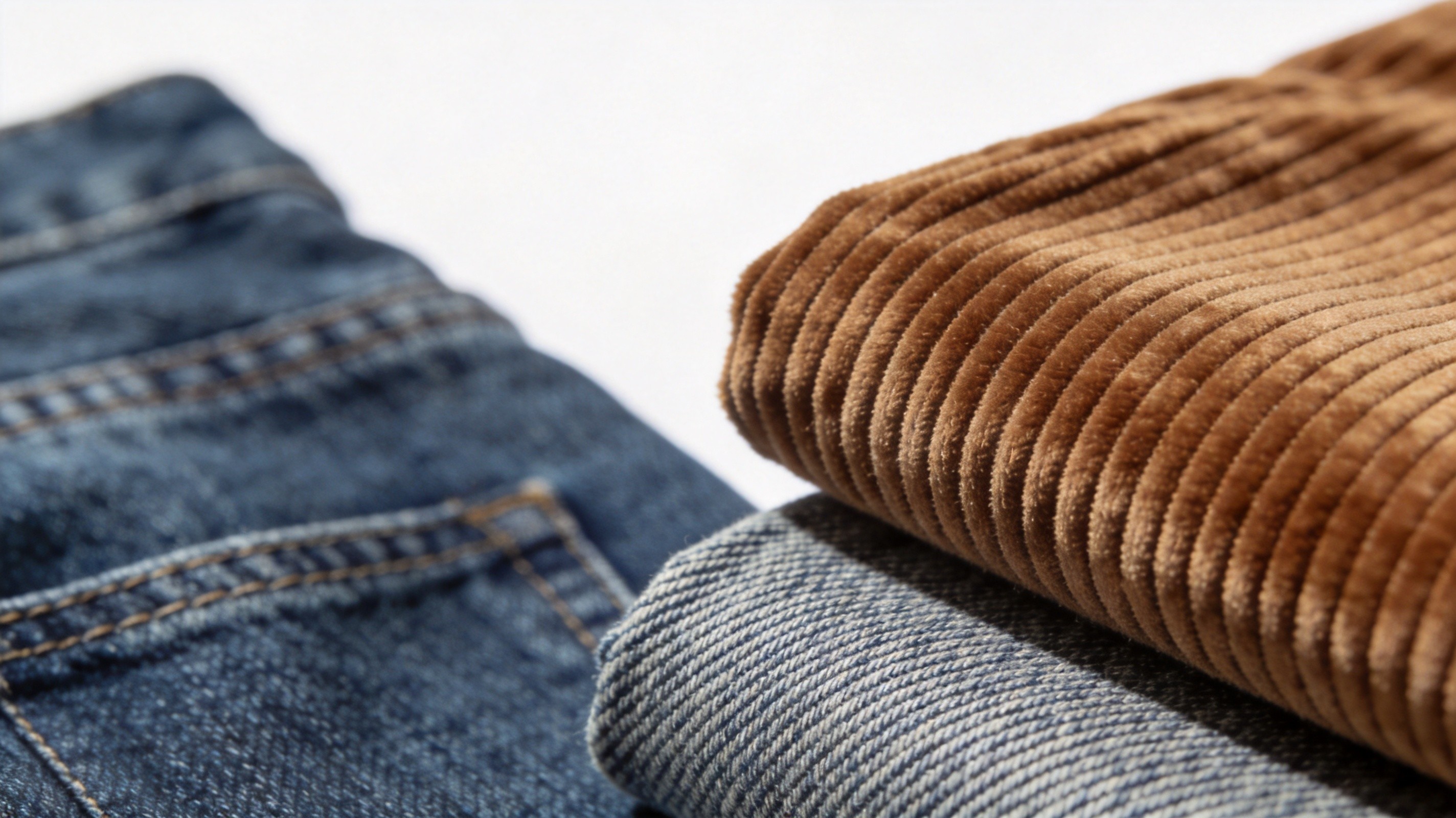
Fabric Care & Maintenance Guide
Care-label symbols decoded and the right wash, dry and iron rules for poplin, corduroy, canvas, twill and quilted cotton.
Read the guideHeavy Cotton Twill Canvas Guide: 280GSM 55-Color Versatile Fabric
A factory guide to 280 GSM heavy cotton twill canvas: 55 stock colors, uses from workwear to bags to home decor, specs and sourcing tips from Keqiao…
Read the guide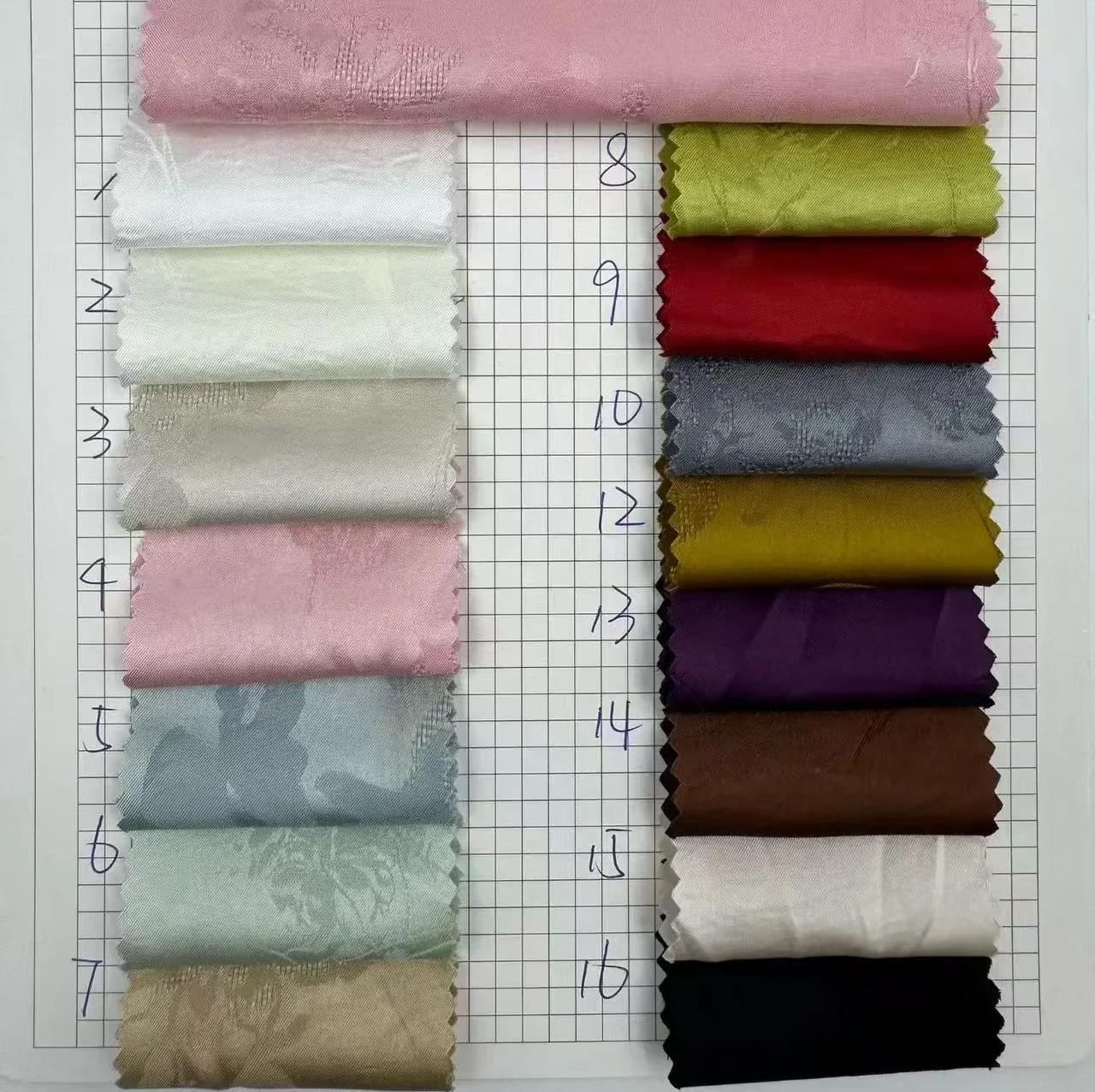
Chinese Jacquard Fabric: A Buyer's Guide to Construction, Colourways and Cutting
Chinese jacquard from a Zhuji mill: 150 gsm crepe jacquard, 97/3 polyester-spandex, 150 cm, MOQ 300 m per colour, 7-10 days, FOB US$1.88-2.05.
Read the guide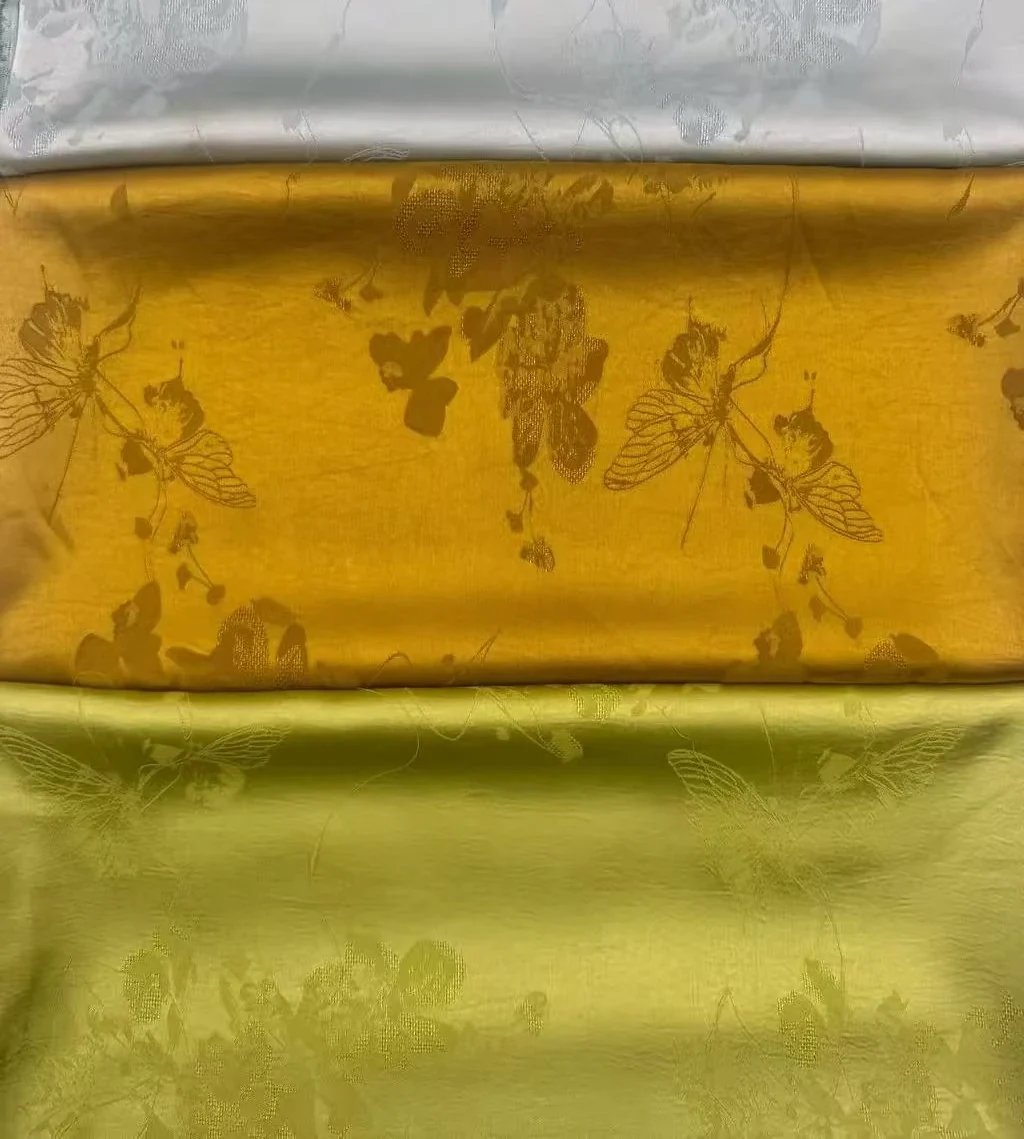
Jacquard vs Printed Fabric: Three Tests That Settle It
Three tests that separate woven jacquard from surface print: the reverse face, raking light, and a fold. Plus the words suppliers use that mean nothing.
Read the guide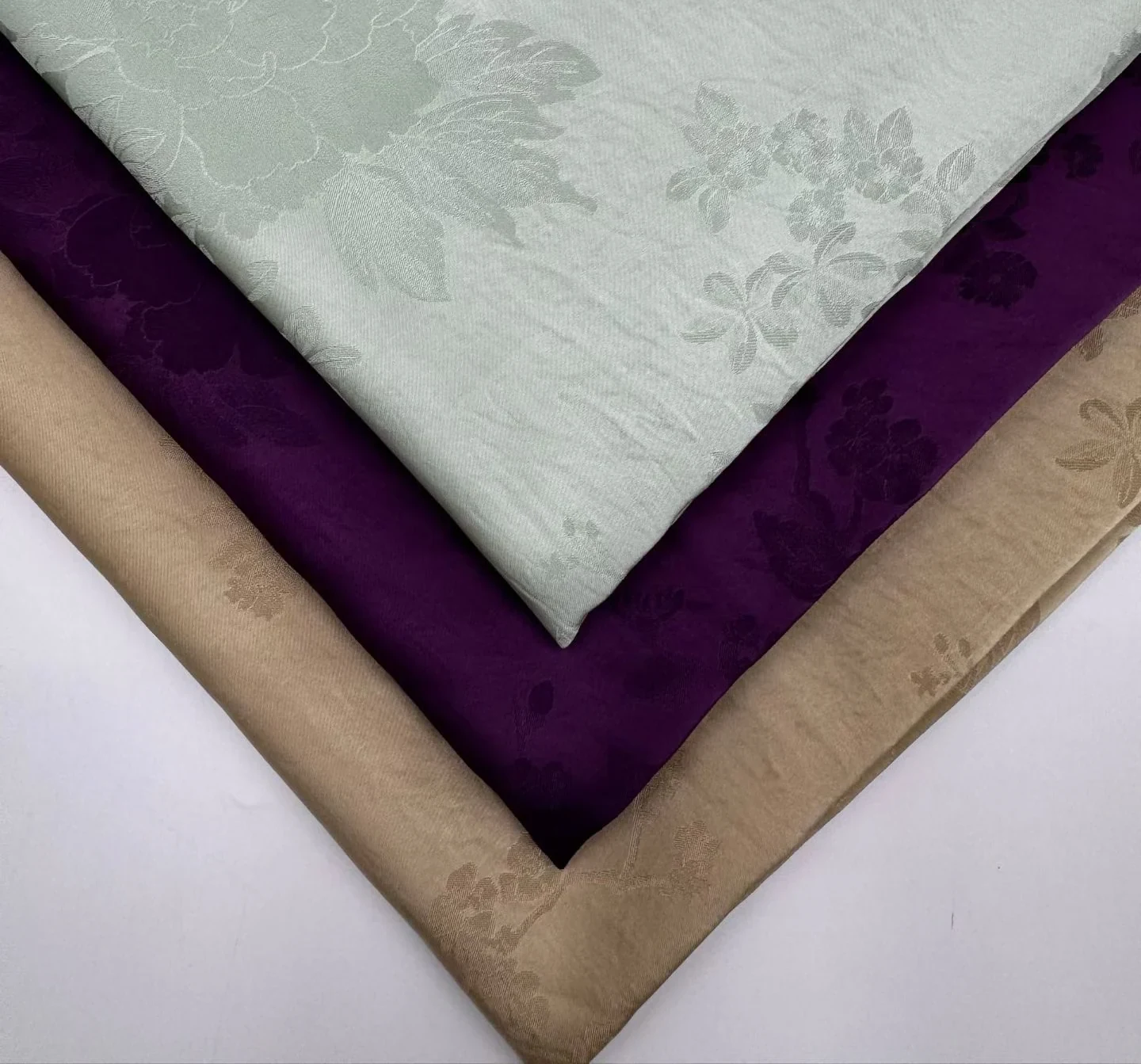
Chinese Jacquard Motif Meaning: Dragon, Peony, Jade Rabbit
What the motifs in Chinese jacquard actually mean, how European, Middle Eastern and Southeast Asian buyers read them differently, and when to pick a design with no motif at all.
Read the guideCotton Poplin Yarn Count and Density: Reading a Spec Sheet
Ne 40s, 60s, 133x72 and cover factor explained: how yarn count and sett combine to make two 120 GSM poplins feel nothing alike, and how to read both off a spec sheet.
Read the guidePoplin vs Broadcloth vs Voile vs Batiste: Which Plain Weave Do You Actually Need?
Broadcloth names two different cloths, batiste means two different things in French and English, and voile's crispness comes from twist rather than density.
Read the guideQuilted Jacket Fabric: Fill, Stitch and Warmth
Fill weight buys warmth only until stitch density and the shell give it away. The three numbers that decide a quilted jacket, plus the failure each one prevents.
Read the guideHow to Judge Jacquard from the Reverse Side
The face shows the design; the reverse shows the weaving. Floats, density, loose ends and colour carrying - a ten-minute receipt check.
Read the guidePrint Strike-Offs: Approving a Sample Before Bulk
Colour, scale, repeat and hand: the four checks that turn a strike-off from a pretty picture into a bulk contract.
Read the guideGingham Check Sizes: How Scale Changes the Garment
Check scale sets matching cost and cutting waste, not just looks. The five working bands and how to spec check size in a PO.
Read the guide